Lock Picks

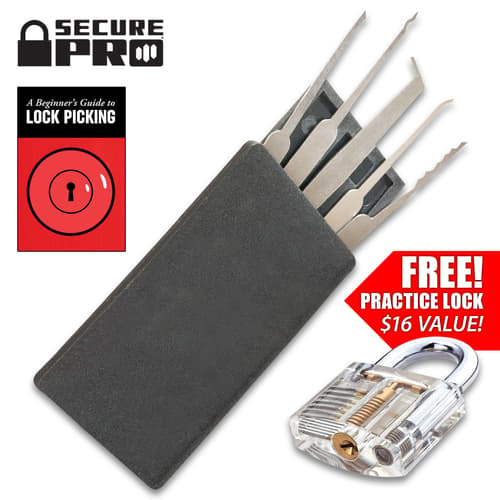
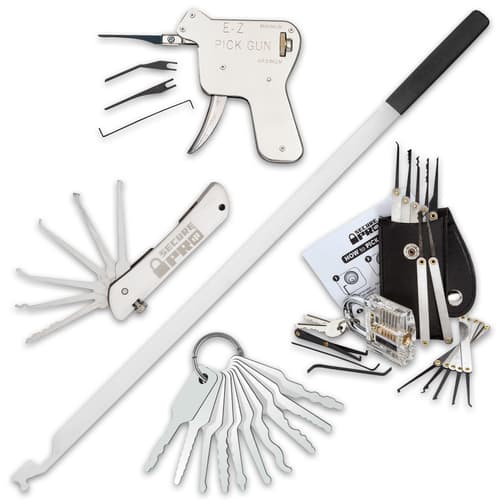
BudK’s lock pick selection will allow you to hone your skills and get out of a tight situation with our variety of tools. These comprehensive lock pick kits and sets have the tools you need, and some even have practice locks you can use to hone your craft. Get into old locked chests, remove stubborn padlocks, and never get locked out again with the help of a practical set and just a bit of practice. Check out lock picks like our Master Key Locksmith Auto Jigglers Car Door Openers, EZ Pick Professional Lock Pick Gun, and Secure Pro Lockpicking School Kit and more to find a kit to suit your needs. We also carry lock pick sets with everything you need to get started.
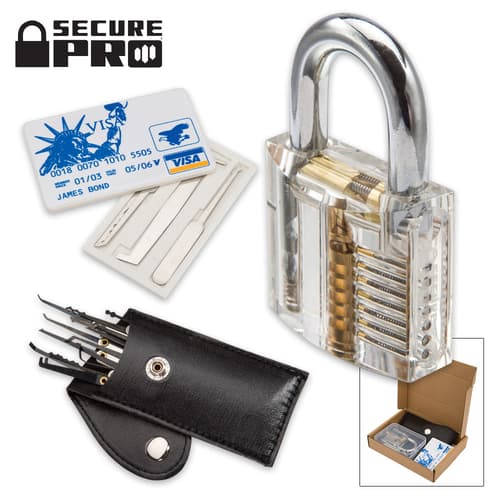
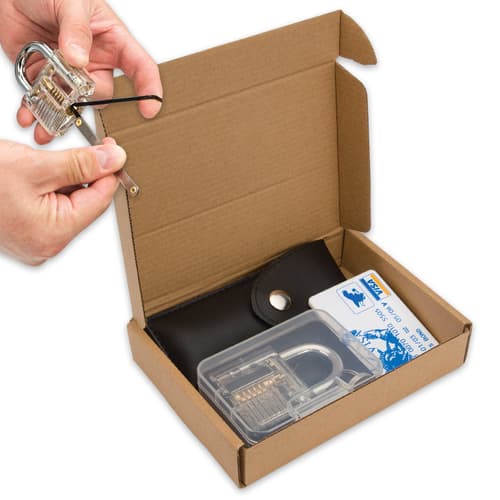
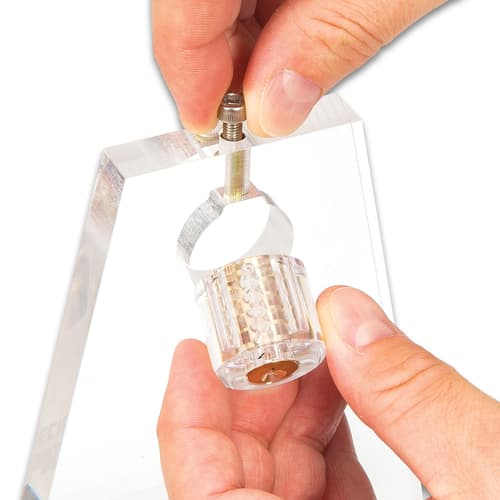
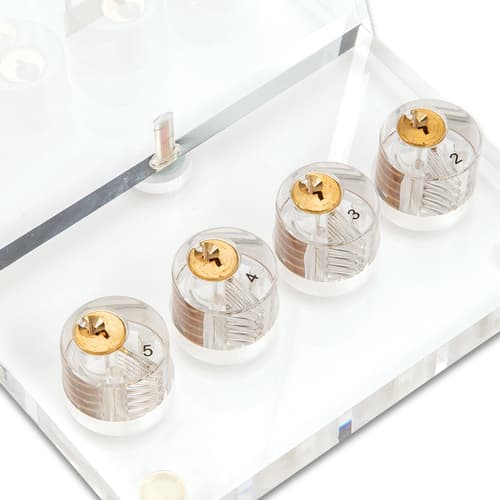
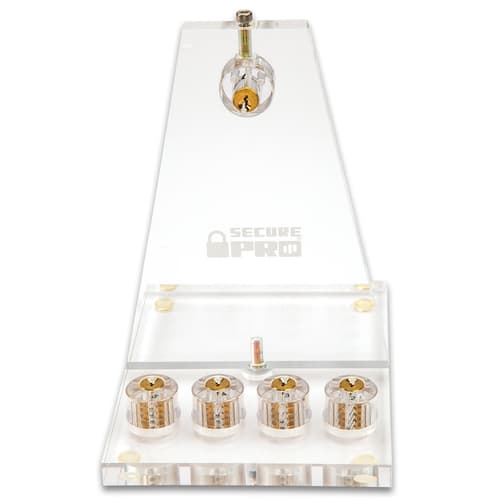
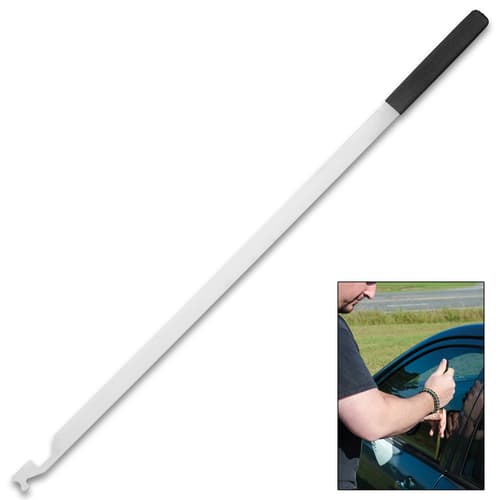
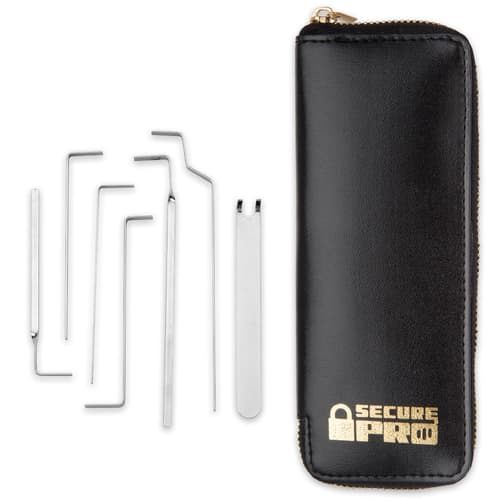
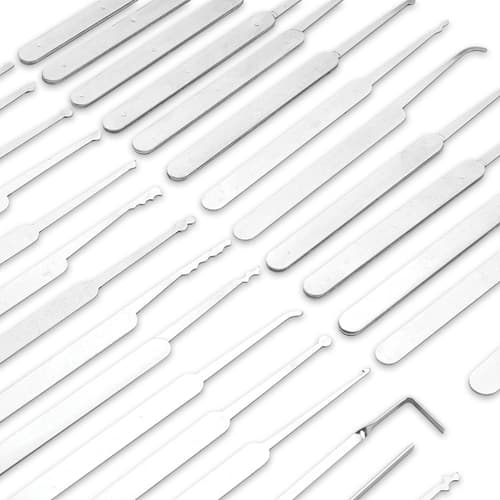
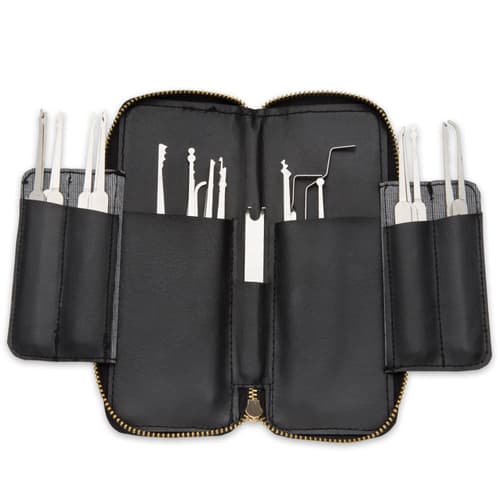
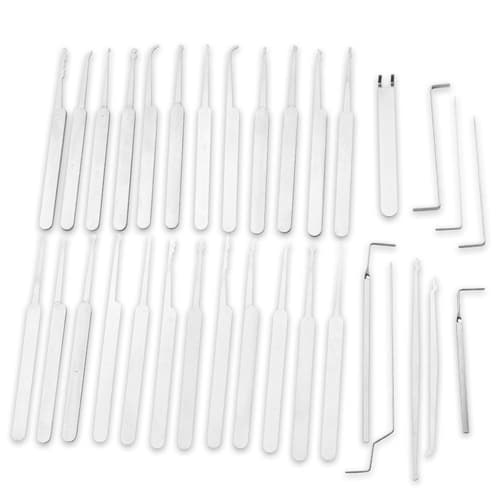
Shop Quality Lock Pick Sets from BudK
If you’ve been looking for the right set of lock picking tools—something that doesn’t cut corners but also doesn’t break the bank—you’re in the right place. At BudK, we’ve put together a selection of lock pick sets that speaks to hobbyists, first responders, seasoned locksmiths, and everyone in between.
Lock Pick Sets for Every Level of Skill and Curiosity
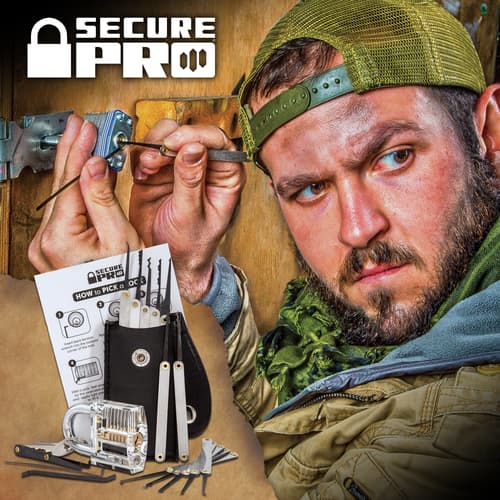
Not everyone who buys a lock pick set is trying to be the next Houdini. Some folks just enjoy learning the inner workings of mechanical locks, others want to sharpen their professional skillset, and plenty are just plain curious. That’s why our collection ranges from beginner-friendly transparent padlocks with simple picks, all the way up to full-blown, pro-level kits packed with every tool you’d want. Our goal? Give you access to solid, dependable gear, no matter where you are on your journey.
Shop Categories:
Automotive Lock Pick Sets That Don’t Play Around
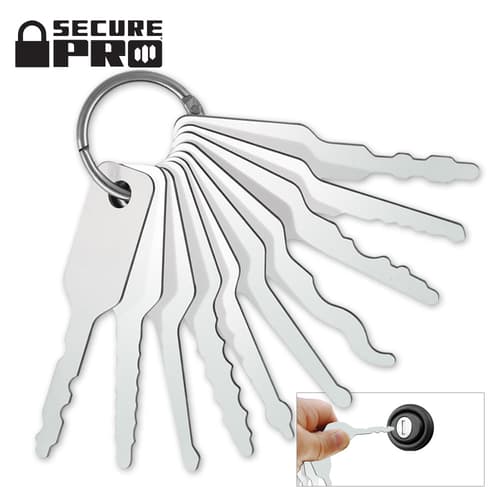
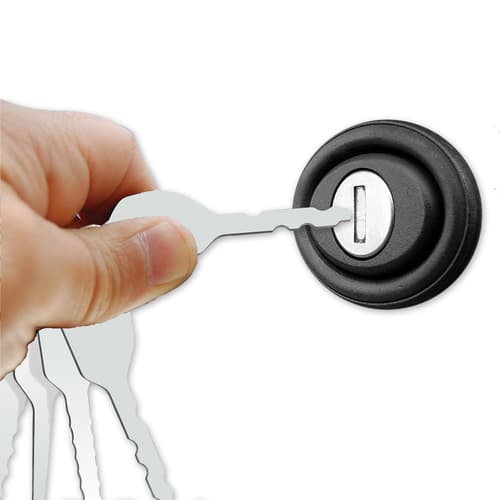
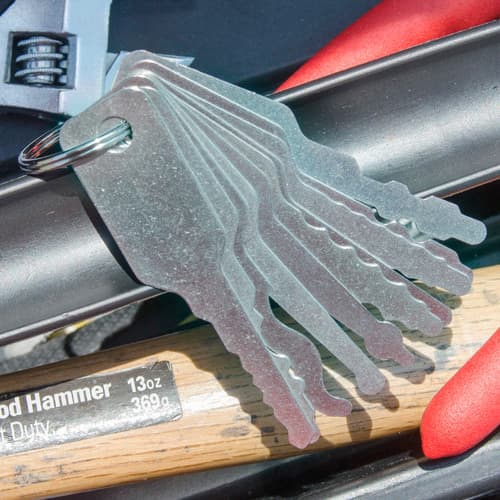
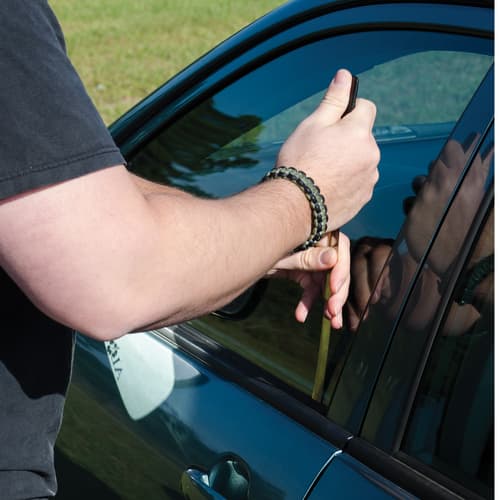
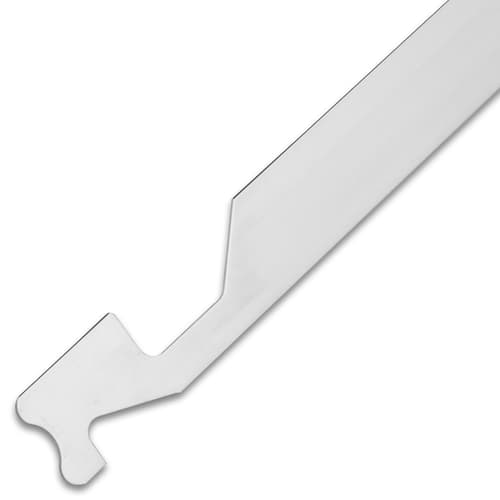
Vehicle lockouts happen—whether you're a locksmith, roadside tech, or just someone with an old classic that’s prone to locking itself. For those specific needs, we’ve got lock pick sets built for the auto world. You’ll find auto jigglers, slim jamb tools, and key-set picks that are purpose-built for car doors and ignitions. No need for guesswork or improvisation—these are the tools the pros rely on when time is tight and precision matters.
Everyday Carry Lock Pick Sets for Life on the Go
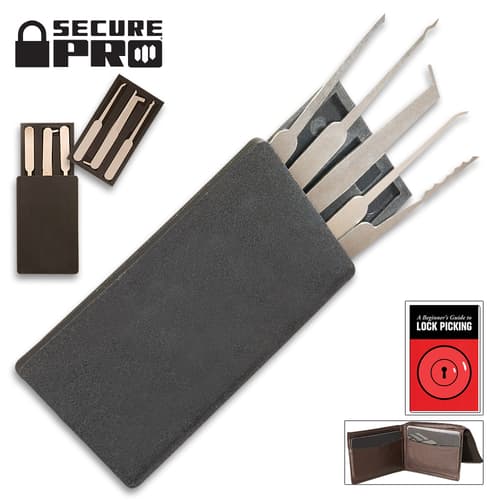
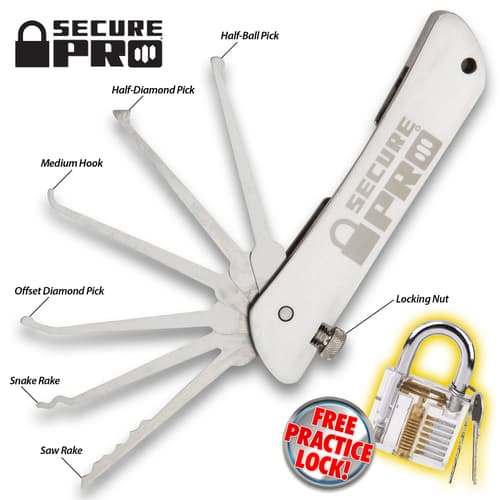
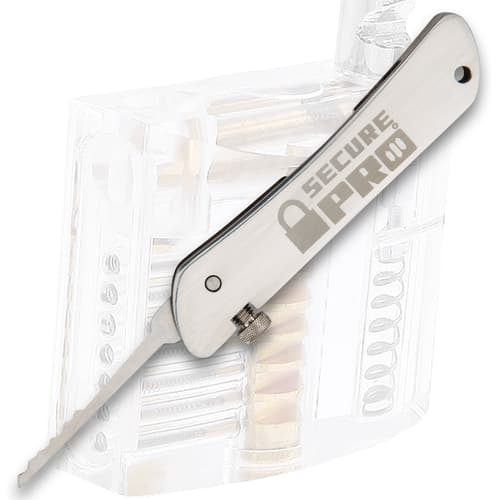
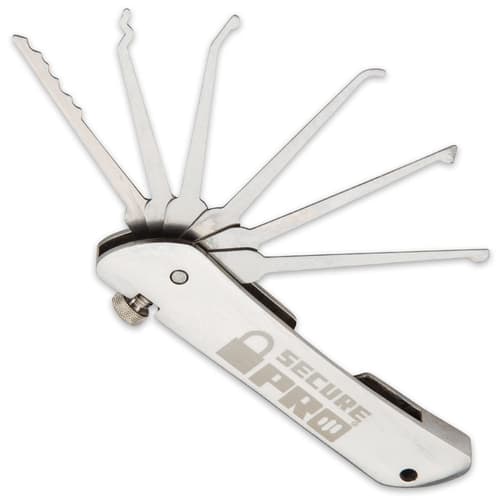
You’d be surprised how often you reach for a tool when you’ve actually got one on hand. Our compact lock pick sets—credit-card style kits and folding multi-tools—are made for everyday carry. They slide neatly into your wallet or bag, ready when you need them but discreet when you don’t. They're a smart pick for the hands-on type who'd rather be ready than caught off guard.
Tactical Lock Pick Kits Built for Performance Under Pressure
When you’re working under pressure, either in the field or in tight quarters, you don’t want to waste time fumbling through mismatched tools. That’s where our tactical lock pick sets shine. These kits combine a range of bypass tools, tensioners, and standard picks in a rugged carry case that keeps everything tight and tidy. They’re not just versatile—they’re built to be used, not just admired.
View Categories:
Training Lock Pick Sets That Help You Actually Learn
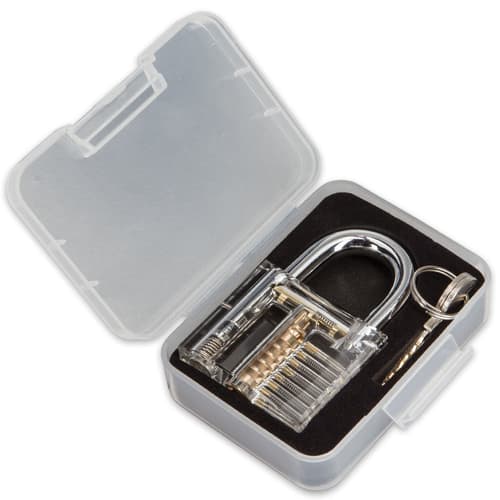
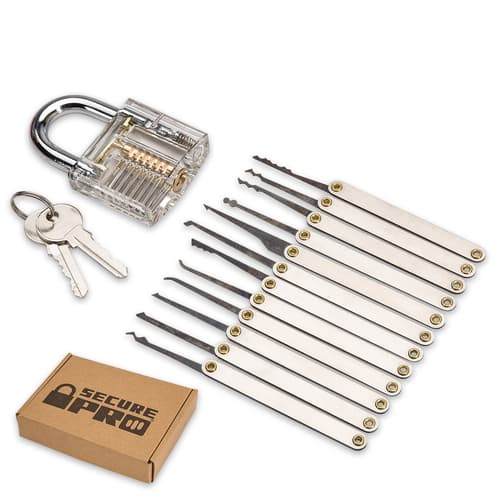
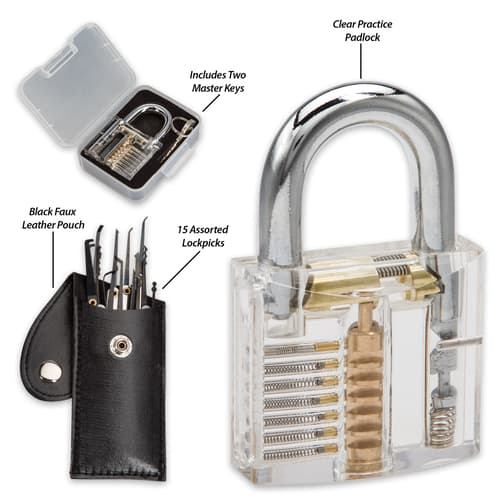
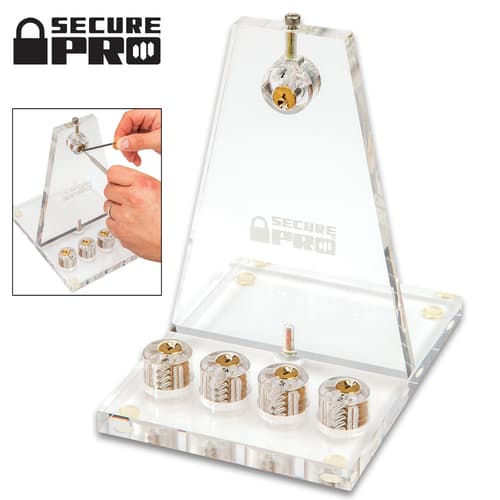
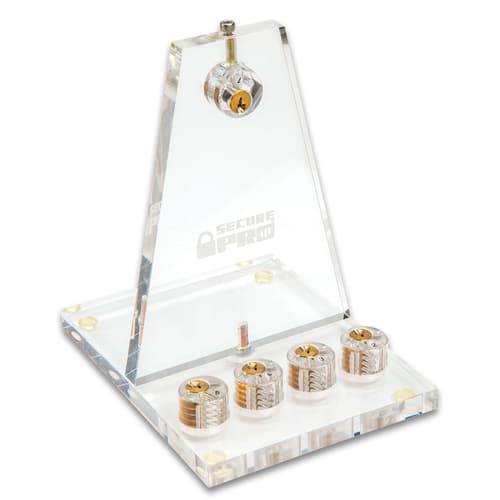
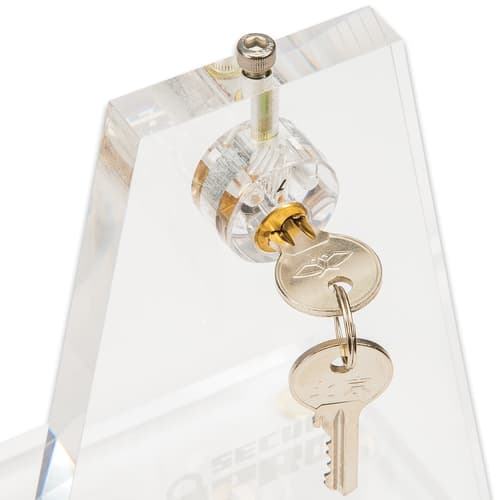
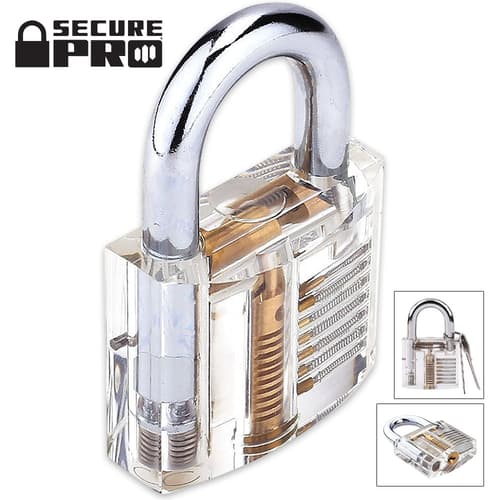
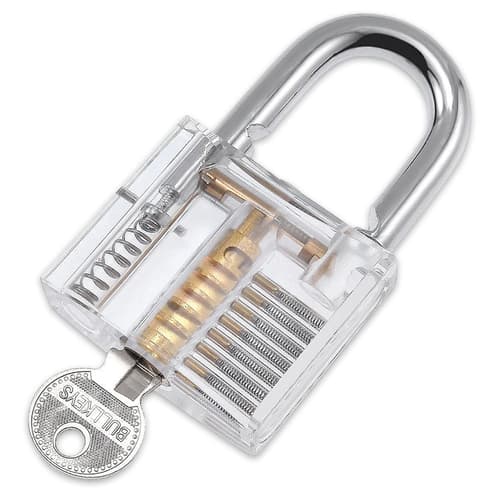
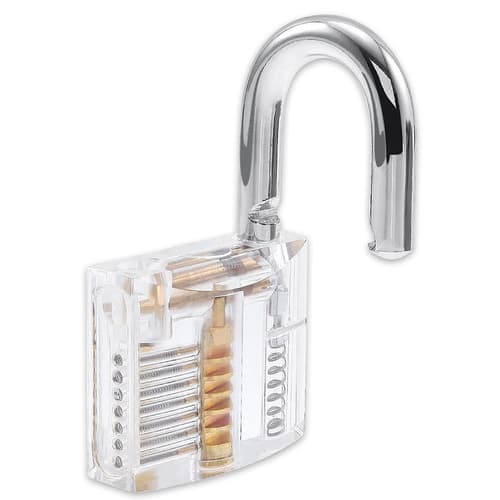
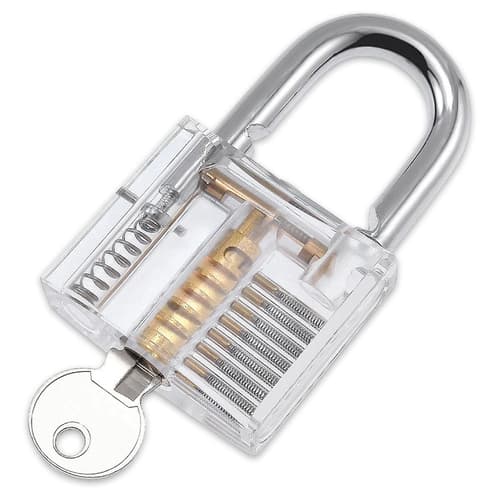
Theory’s fine, but let’s be honest—lock picking is one of those skills you learn by doing. That’s why we’ve stocked lock pick sets that include transparent locks and clear-padlock training tools. You’ll actually see how the pins respond as you work, which fast-tracks your understanding in a way that books and diagrams just can’t. It’s one of the smartest investments for anyone starting out.
Lock Pick Sets Featuring Pick Guns for Quick Results
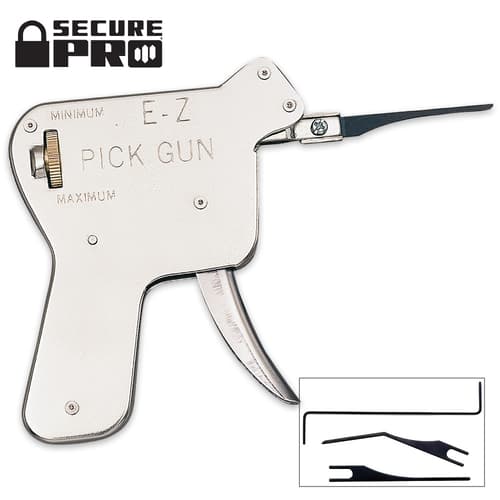
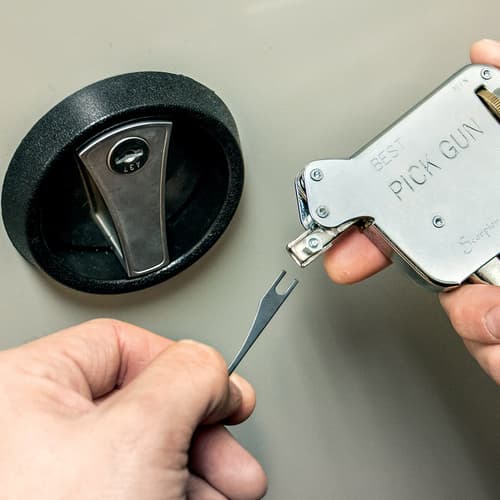
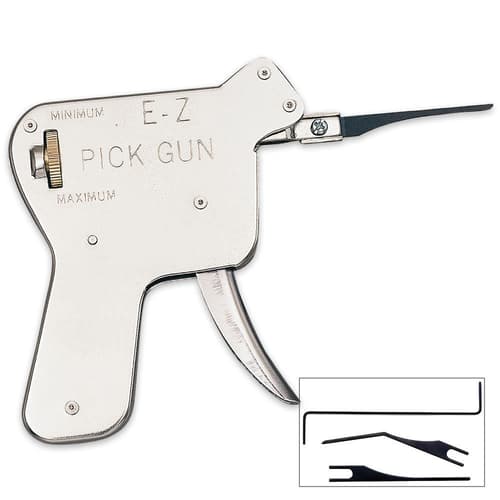
Some jobs require finesse. Others just need speed. For those times when you’ve got to move fast, our lock pick sets with pick guns come in handy. These tools offer a mechanical bump that can pop standard pin tumbler locks much quicker than manual picks. Ideal for professionals working time-sensitive situations—without sacrificing precision.
Browse Categories:
Complete Lock Pick Sets That Leave Nothing Out
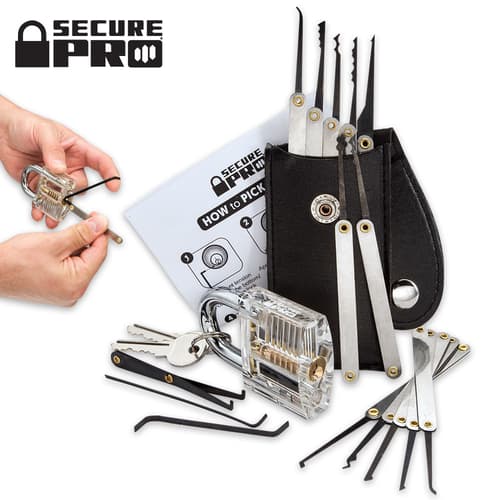
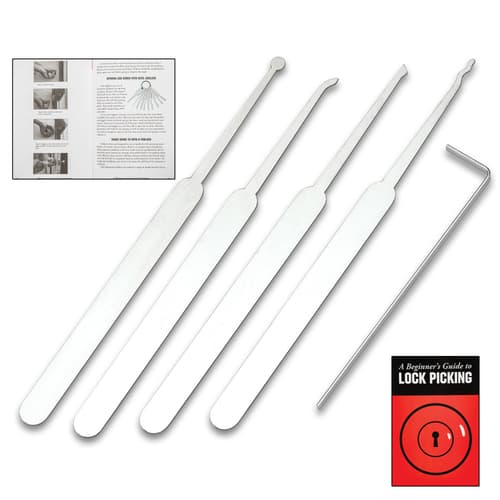
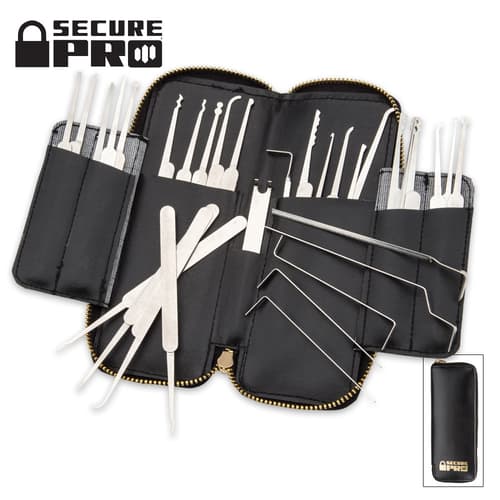
Let’s say you want the whole toolkit—the works. No problem. Our complete lock pick sets come packed with a full spread of tools: single pin picks, rakes, tensioners, auto picks, extractors, bypass tools, and more. They're organized, portable, and surprisingly lightweight considering how much firepower you’re carrying. Whether you’re troubleshooting an old lock or just expanding your skill set, this is the kind of gear that grows with you.
Frequently Asked Questions
- Are these lock pick sets legal to own?
In most areas, yes—as long as you don’t use them for unlawful purposes. Always check your local laws before buying. - Can I learn how to use these tools if I’m a total beginner?
Absolutely. Our training sets are designed with beginners in mind and come with practice locks so you can learn the ropes without frustration. - Do you carry tools specifically for unlocking cars?
Manual picks require more control and finesse, while pick guns are built for speed. It really comes down to the task at hand. - Yes—we’ve got automotive tools like jigglers, slim tools, and key sets that are designed for vehicle entry.