Pocket Knives: 10 Blade Profiles You Should Know
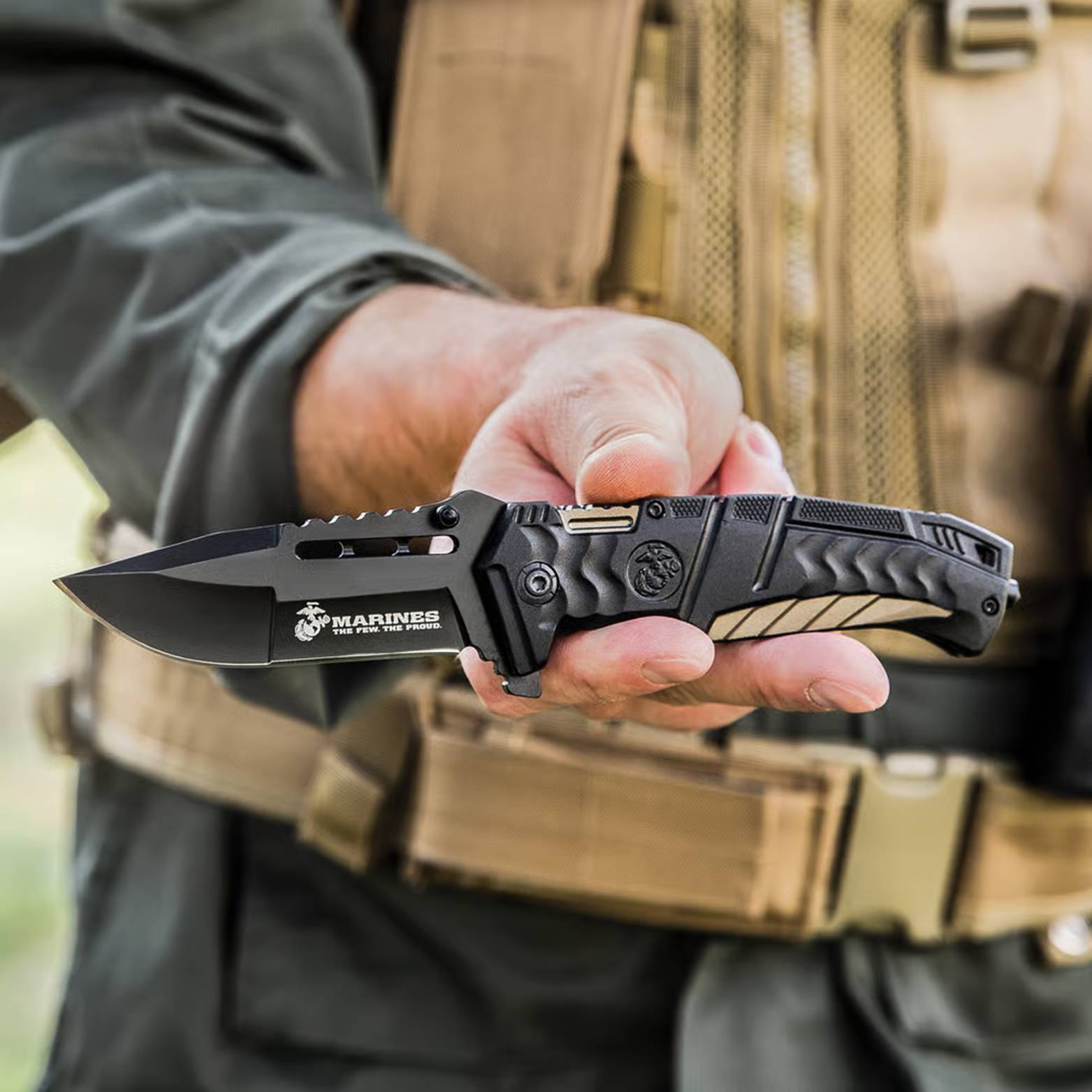
Pocket knives, like fixed blades, are available in an incredible array of different patterns and blade profiles, as well as with different blade steels, pocket types, and deployment methods. But as important as these all are, few features are as materially significant as the blade profile, which will primarily determine the utility of the blade, assuming you hold all else equal. So, with that said, we’ve decided to cover 10 of the most common blade profiles encountered in pocket knives.
Clip Point
In a clip point, the back of the spine near the point will curve inwards towards the edge, as though a small portion was cut or “clipped” away, hence the name. Classic bowie patterns typically have clip point blades, as do iconic patterns like the Buck 119 Special. A clip point has a relatively fragile tip compared to alternatives like drop point and spear point knives, but the finer tip tends to excel slightly for piercing and detail work.
Drop Point
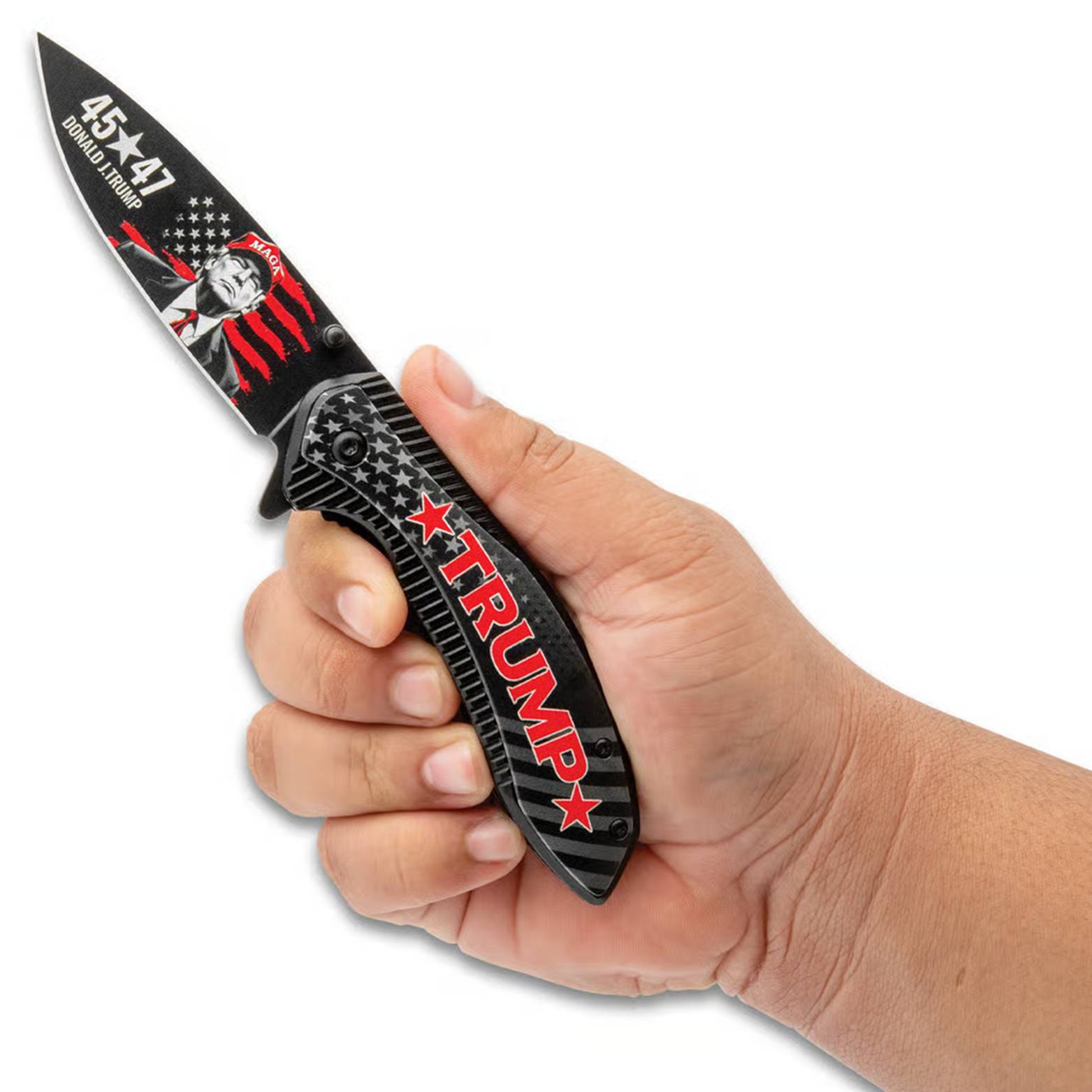
In a drop point pattern, the spine of the knife curves down to meet the tip at the edge. It is one of the simplest of all blade patterns, but also results in a highly utilitarian pattern with a point that remains fine enough for detail work without being overwhelmingly fragile. For this reason drop points are enormously popular among pocket knives.
Straight Back
A straight back is functionally the same as a drop point except the spine does not slope down to meet the edge. The belly slopes up to meet the spine and the spine is straight, hence the name. They’re not as common as drop points but they are still relatively common and all of the advantages and disadvantages are more or less shared.
Spear Point
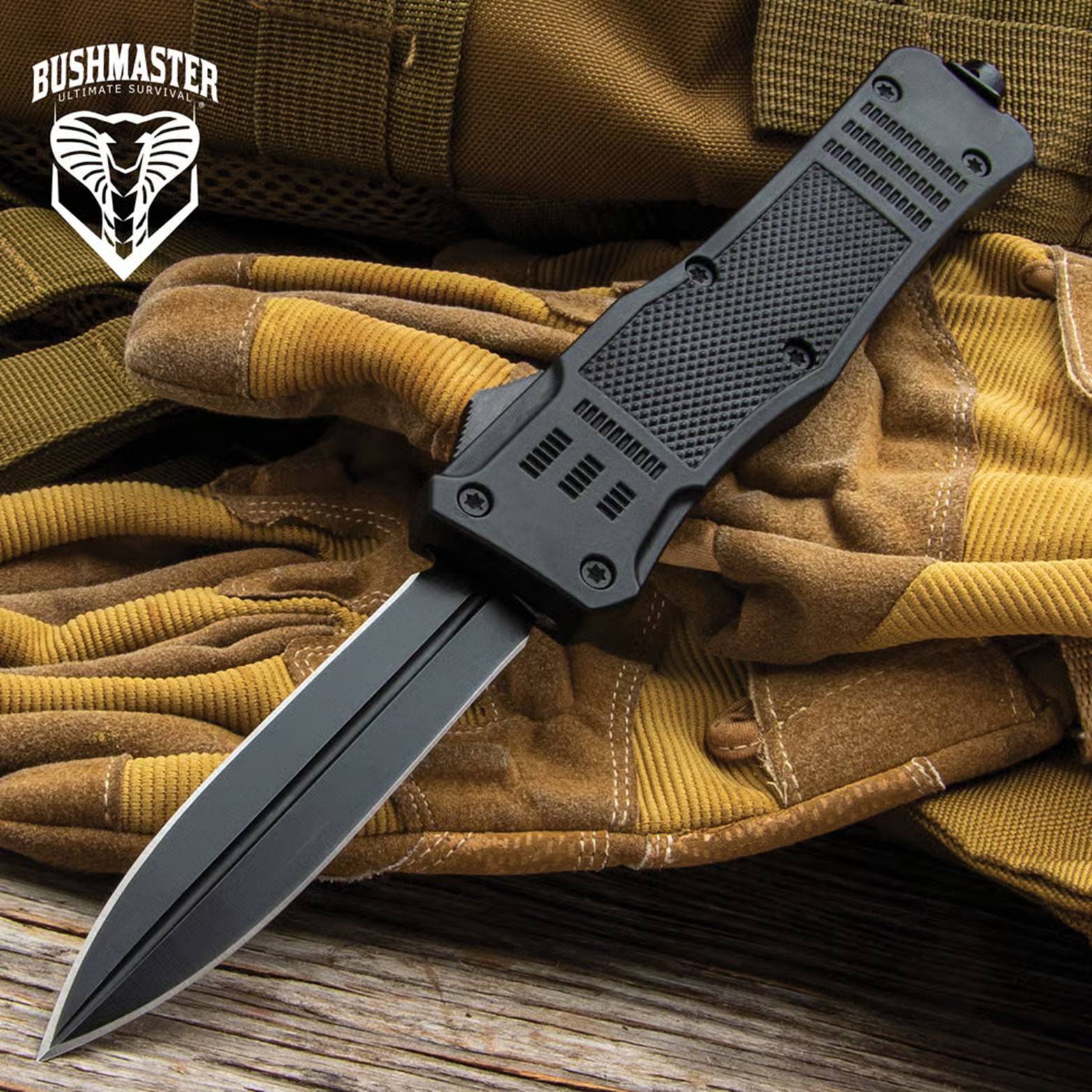
In a spear point profile, the edge and spine slope symmetrically to meet each other at the point. For this reason, it is impossible to tell from a silhouette alone which side of a spear point is the edge and which point is the spine. Like a drop point, a spear point has a tough edge and enjoys a lot of utility. Also like a drop point, the tip of a spear point is relatively robust.
Needle Point or Stiletto
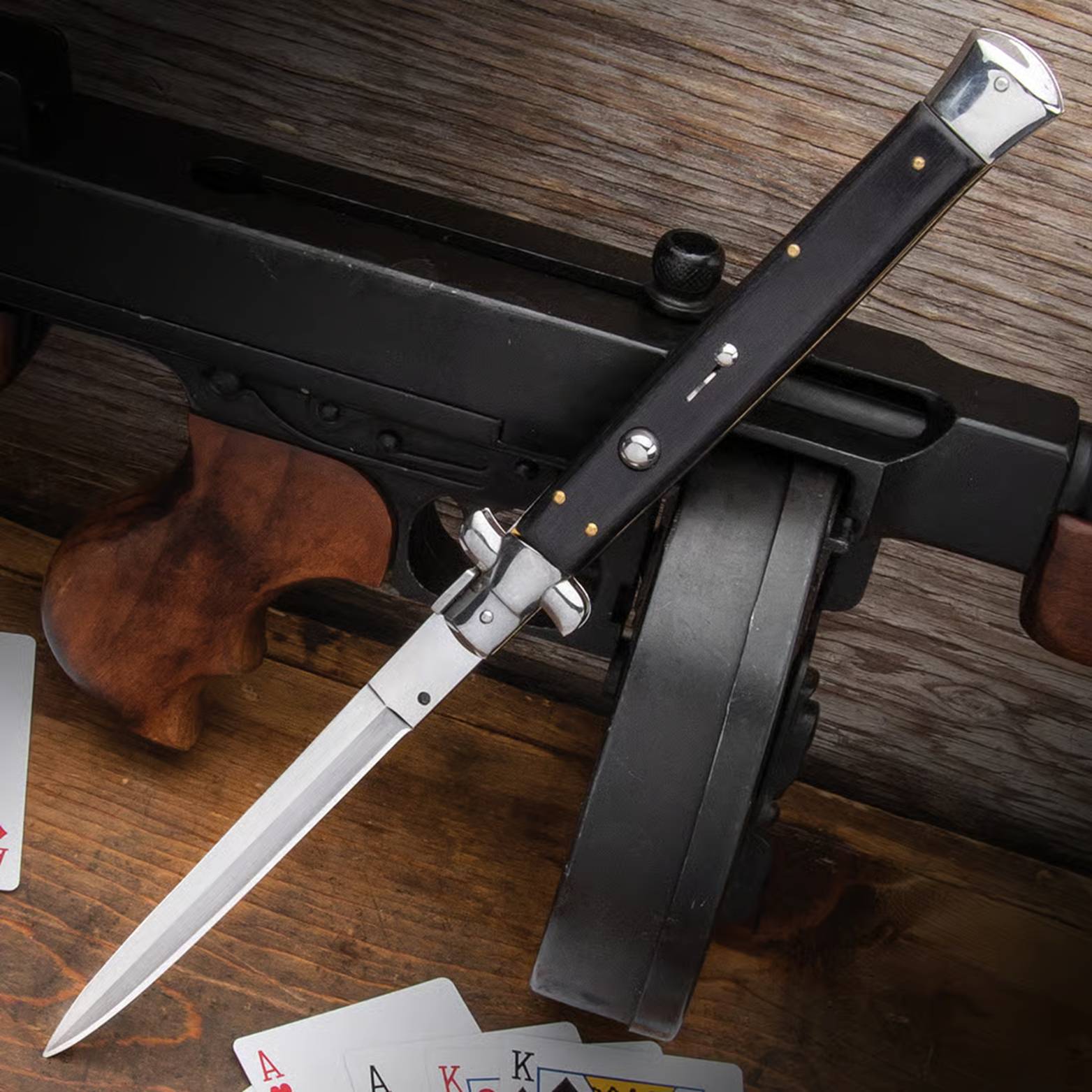
A needle point (also sometimes referred to as a stiletto) is very similar to a spear point in that both the spine and edge come to meet each other; the main difference is that the point of a stiletto is much finer than that of a spear point. As a result, needle point knives tend to be excellent for piercing, but not very good for much else as they have relatively fragile blades.
Sheepsfoot
In a sheepsfoot pattern, the edge may be straight or very gently curved, but the spine of the knife slopes down aggressively to meet the point at the edge. As a result, sheepsfoot knives have very oblique points that are generally not very effective at piercing. However, the tradeoff is that sheepsfoot patterns have some of the stoutest, breakage-resistant tips of all pocket knives.
Wharncliffe
A wharncliffe pattern blade, also called a “wharnie” is very similar to the sheepsfoot in that the spine slopes to meet the edge; the difference is a wharncliffe knife tends to have a finer point. Therefore they are better for piercing and detail work while still retaining a stouter tip than a needle point.
Tanto Point
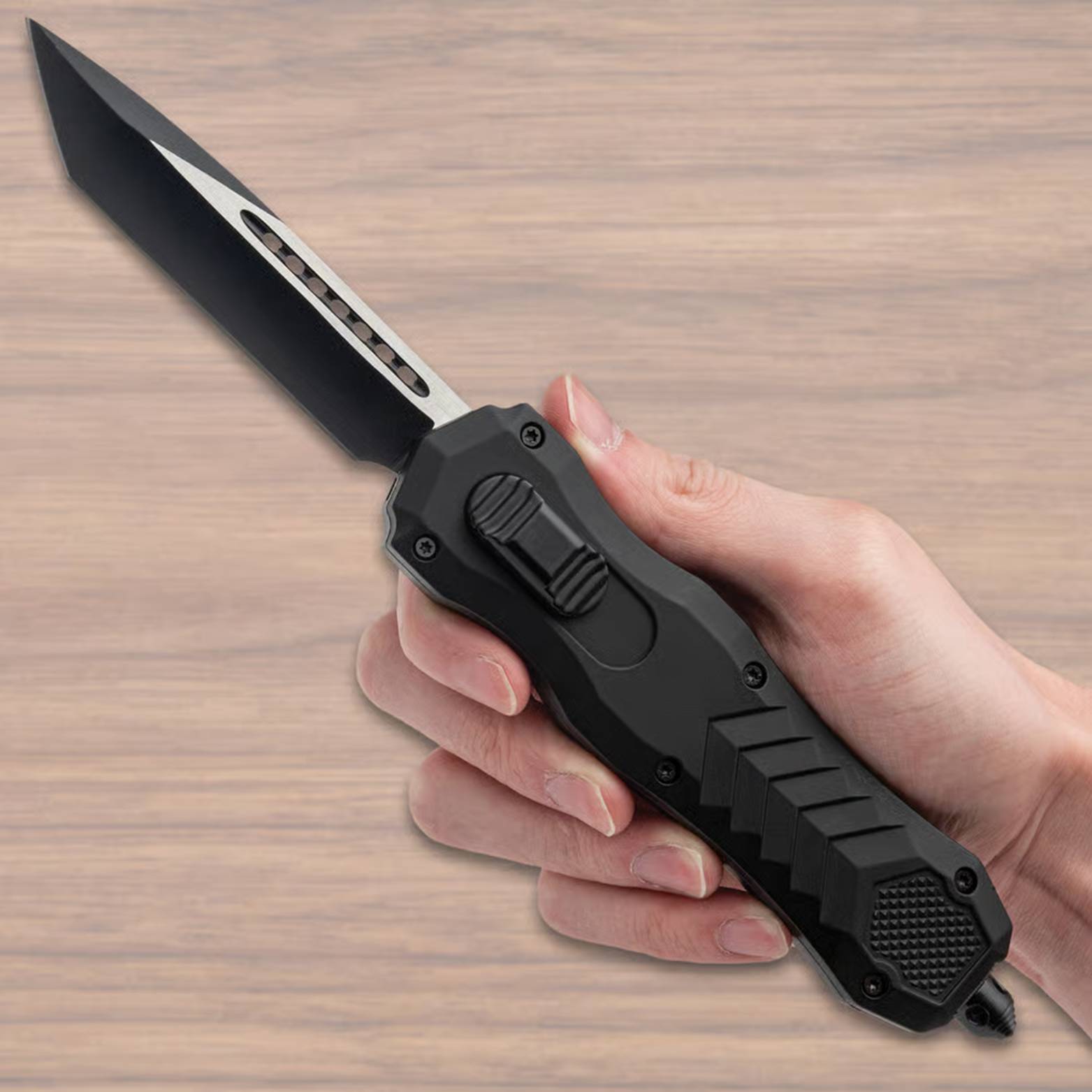
In a tanto point, there are two grinds; the first for the belly and the second set at an angle, which produces a small length of edge near the point, and which establishes the point. Inspired by traditional Japanese designs, tanto points are incredibly popular on tactical pocket knives because of the strength of the tip.
Hawkbill or Karambit
A hawkbill style knife, also called a talon knife or simply a karambit, is one that has an inwardly curved edge, similar to the talon of a bird of prey, hence the name. They are highly effective for draw cuts and hooking, slashing maneuvers, but the drawback is that it is very difficult to sharpen a hawkbill style knife. A flat sharpening stone cannot be used; you need a sharpening rod.
Trailing Point
A trailing point knife has a swept edge with a point that lies above the spine. Nessmuk style knives and skinners are similar to trailing knives because they have long, swept edges as well. These types of knives excel at making long, sweeping cuts, which is why they are useful for skinning.
Shop Our Pocket Knives and Add Something to Your Collection Today
This list is by no means comprehensive and there are many other pocket knife blade patterns out there, but these are among the most common. Shop our collection and put this new knowledge to the test before you get yourself a new one.