Preventing Rust on and Otherwise Caring for Your Machete Knife
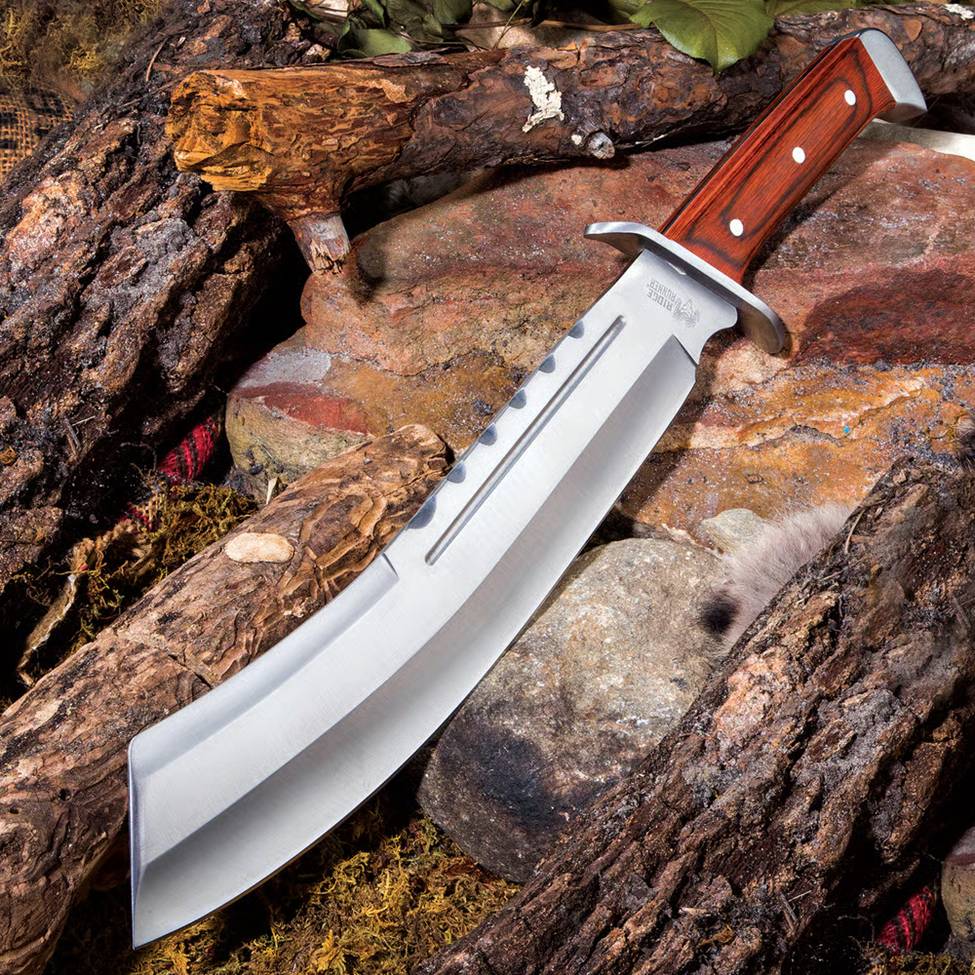
A machete or knife can be an indispensable tool in the yard, on the back 40, or even out on the trail. Not only can your machete keep undergrowth under control and blaze a new trail for you, it can be used to strike a fire, prepare food, construct basic camp furniture, and much more. That being said, like all bladed tools, machetes will require a little bit of maintenance and proper care to keep them in good shape. Here are our high level notes.
Keeping Rust at Bay
Machetes are commonly used under less forgiving conditions than most other knives and bladed tools, and are necessarily exposed to high levels of moisture (and potentially to extreme temperatures) even during a regular course of use. On top of this, many machetes are made with high-carbon steel alloys that are very low in chromium and nickel, and which therefore will rust if not properly cared for. Whenever you bring your machete back from a day in the field, wipe it down with a damp rag and then dry it thoroughly. Do not allow any moisture to cling to the blade, and this includes vegetative material. Make sure the blade is perfectly clean and dry before putting it away. In addition, a machete knife that is properly oiled will resist rust and corrosion much more effectively. There are many oils that are appropriate for this application; machine, gun, and mineral oil can all be applied to a blade periodically to insulate it against rust.
You’ll only need a drop or two per side. Apply the oil, then use a clean rag to distribute it evenly over the blade. Make sure the edge is covered too, but take special care in doing so. You don’t need a lot of oil; a thin coat should do it. Properly applied like this, oil will seal off the blade not just to moisture, but to the atmosphere, both of which can cause rust, corrosion and pitting. Lastly, if you have a machete knife and rust has already manifested on the blade, except in severe cases, this is usually fairly easy to rectify. You can use a brass or stainless steel brush, or steel wool to scrub away any rust on the blade. Brass is likely your best option because it will not scratch the steel blade. However, if there is a lot of rust, using steel wool or a steel brush will save you time and effort. Just be aware that it will mar the finish of the blade - which shouldn’t matter if there’s already rust there. Once you’ve scrubbed away the rust, wipe down the blade to ensure no rust particles remain on it, then oil it as described above.
Keeping It in Chopping Shape
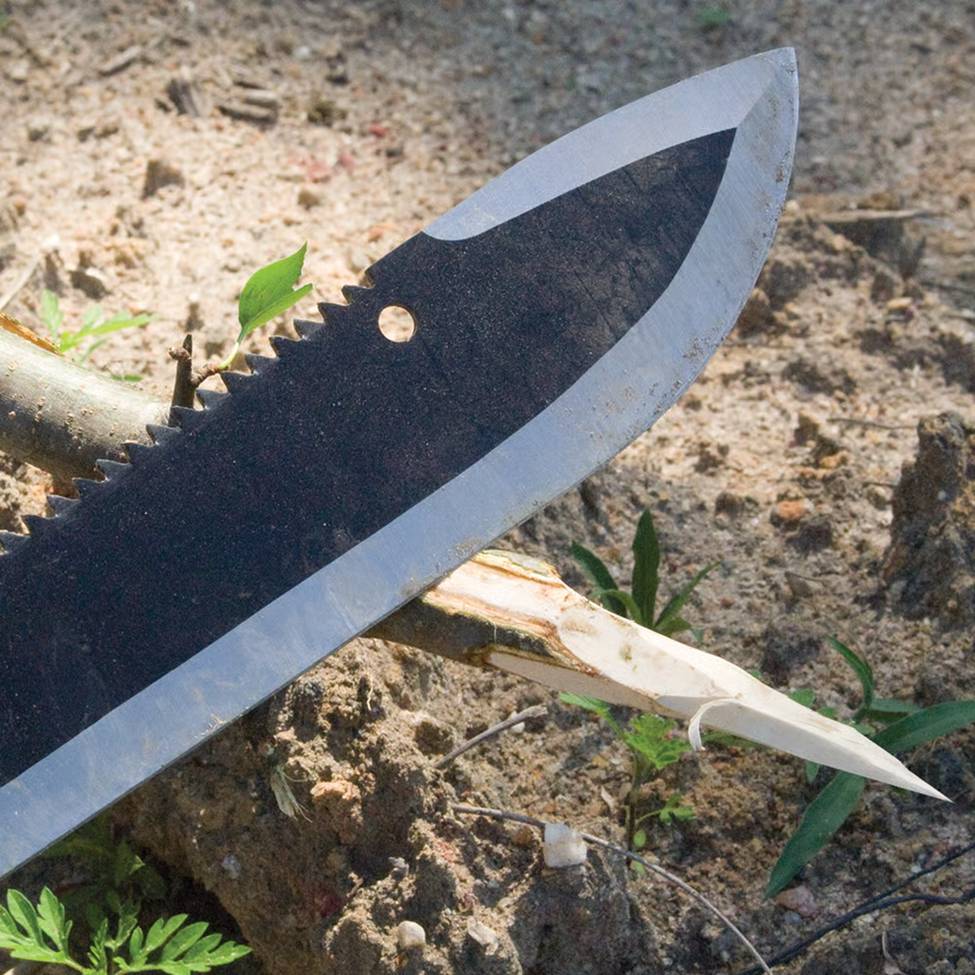
Another aspect of machete knife maintenance is to keep the edge properly sharpened. Machetes need a more oblique edge than most cutting tools because a fine edge will dull very quickly; in some cases the edge may roll or chip. That being said, a machete with an edge that’s too dull will not cut efficiently and will bind in coarse, woody vegetation. However, keeping your machete sharp is not just a matter of cutting efficiency, it is also a matter of safety, because a machete that is too dull will glance off of a target that is too hard (such as wood) which can present an obvious occupational hazard.
Handle Care
A machete with a plastic or synthetic handle will not need any special care. However, if the machete has a wooden handle, you will want to protect it against chronically humid conditions, that can cause rot, as well as against drying out, which can cause cracking. If the handle is wooden, a simple treatment with a basic wood conditioner or cleaner from time to time should keep it in good shape.
Storing It Wisely
How you store a machete, or any bladed tool, is also critical to store it properly so as to protect it against rust. If possible, store your machete knife indoors in a climate controlled location. You don’t want to store it outdoors in the garage or in a shed, where potentially high levels of humidity will rust the blade. Also, if your machete came with a leather sheath, do not store it in the sheath for a prolonged period of time. Leather, while it is durable and protects the blade, will also trap moisture, which can actually cause rust to form on the blade. If it came with a leather sheath, store it outside of the sheath if you will not be using it for a while. You can wrap the blade with thick paper to improve safety, if necessary.
Here for a New Machete or Knife?
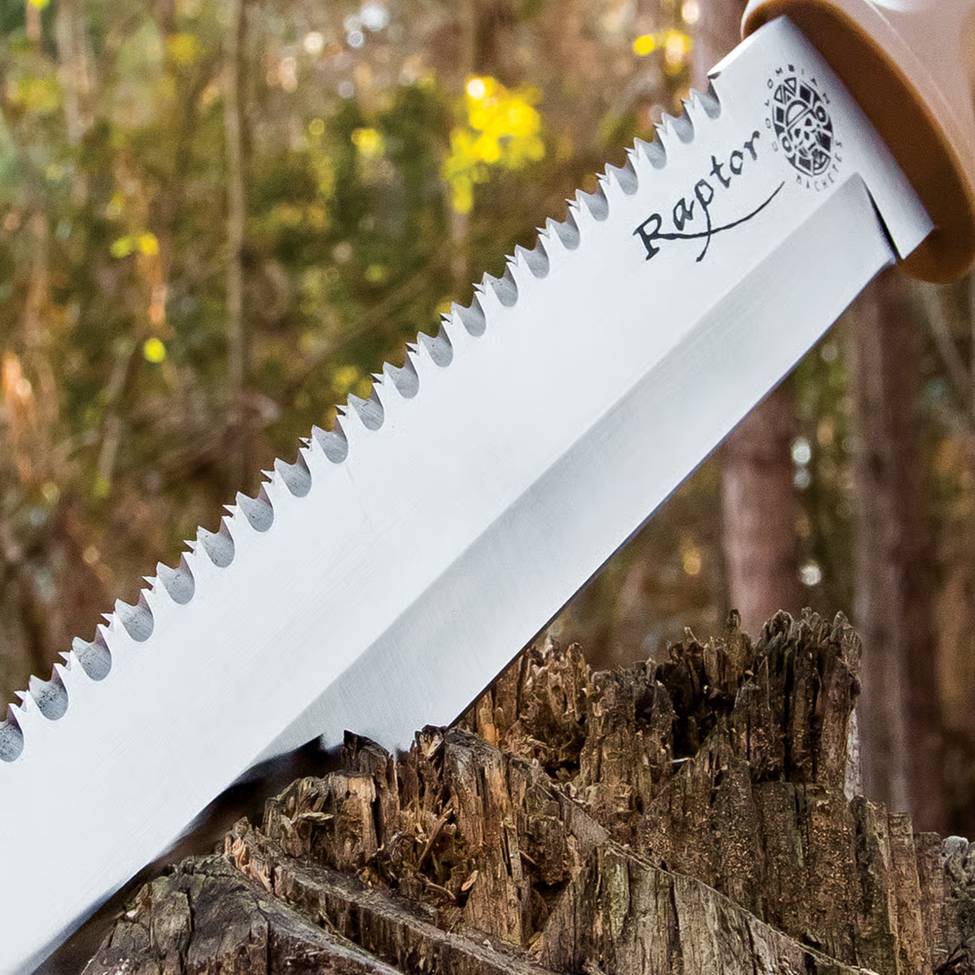
In the market for a new machete or knife? Take a closer look at our catalog, and once you get your new one, make sure you care for it according to the suggestions laid out in this article.