How to Choose a Boot Knife for Outdoor Use
How to Choose a Boot Knife for Outdoor Use
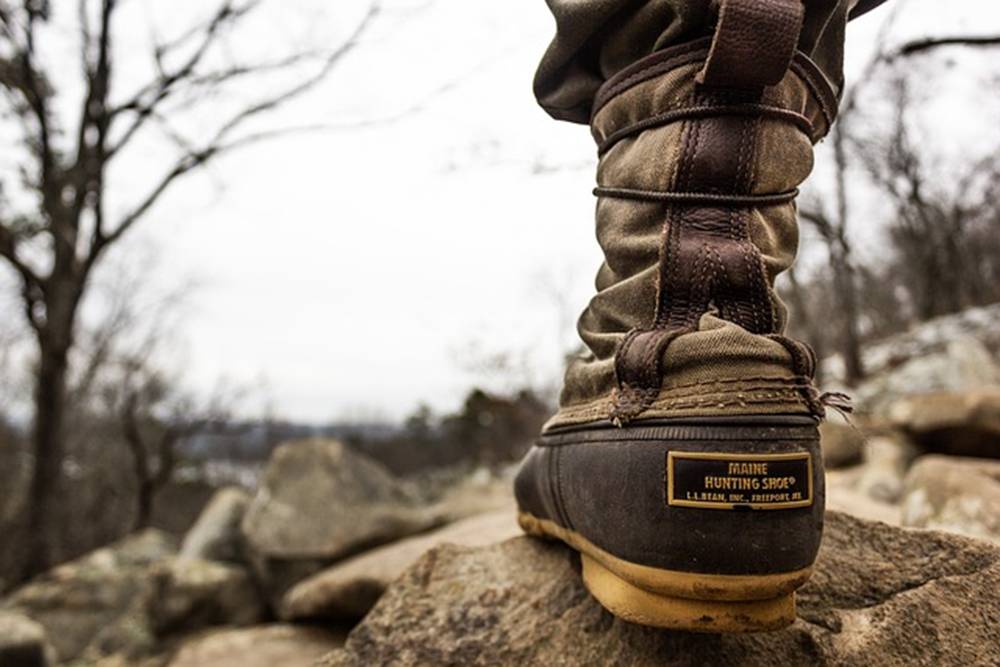
Whether you’re camping, hiking, or just love being outdoors, having a boot knife that you can rely on can make a huge difference. It’s one of those tools that doesn’t take up much space, but it can really pull its weight when you need it the most. Choosing the right boot knife, though – that’s a bit more nuanced than simply grabbing the first one that looks cool or catches your eye. Read on below for some of the things that you need to consider so that you end up with a knife that isn’t just sharp; it’s also smart for your needs:
What Exactly Is a Boot Knife?
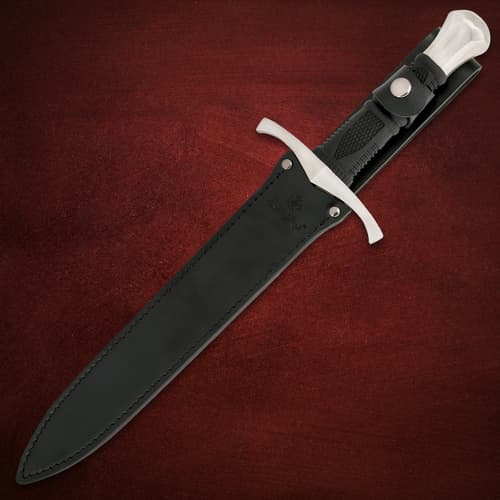
First things first, the basics: a boot knife is a compact, fixed-blade knife that’s designed to be worn on or in your boot. “Fixed-blade” means that the blade is permanently attached to the handle and does not fold or slide into it. It’s meant to be easily accessed and is typically used for utility tasks, such as cutting rope, whittling sticks, slicing food, or even for self-defense in more extreme situations. Portability and accessibility is key here. Unlike a bulky survival knife that you would strap to your belt, a boot knife stays tucked away, often unnoticed, until you need it.
Tip #1: Consider the Blade Length and Shape
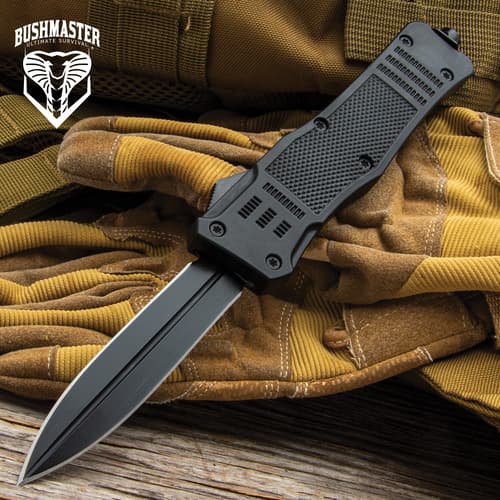
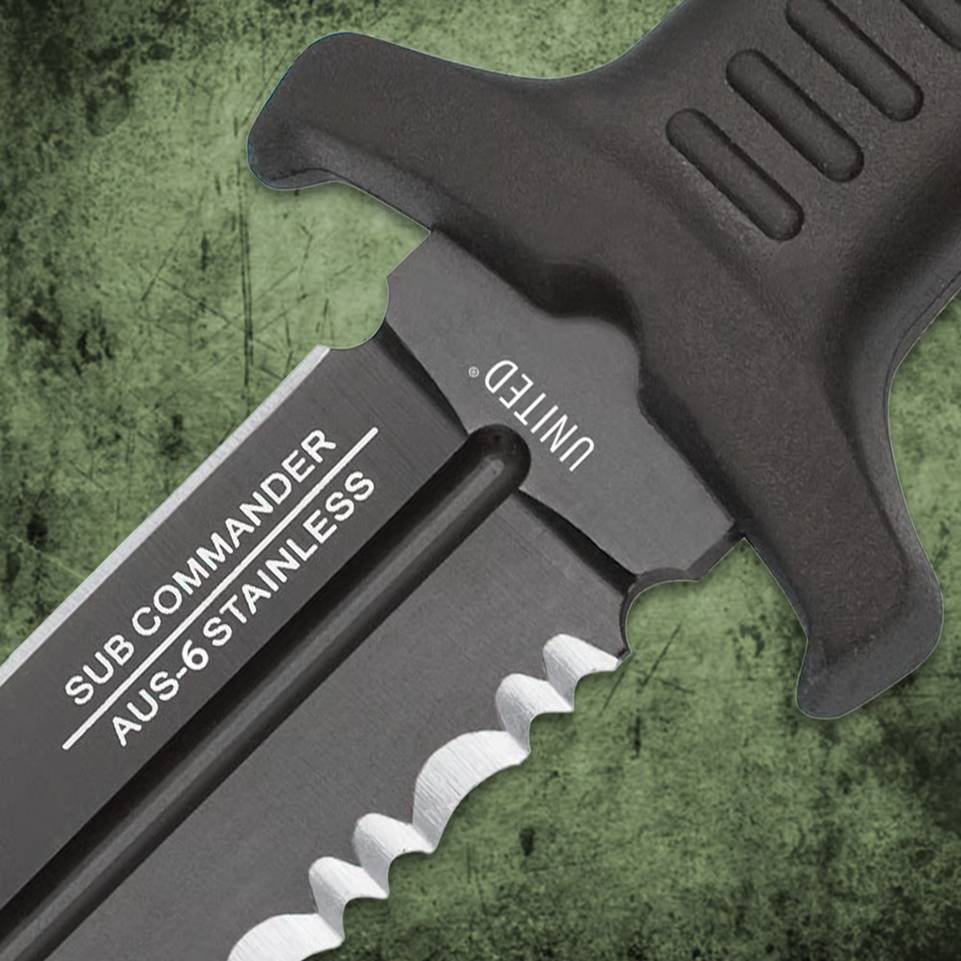
Size does matter – at least when it comes to knives. You wouldn’t want to carry something that’s too long as that would be uncomfortable to wear, but at the same time, you don’t want a knife that’s so short, it would be practically useless. A blade length between 3 to 5 inches is usually the sweet spot. It’s long enough to be useful but small enough to stay discreet and comfortable in your boot. As for the shape of the blade, you have a few options. A double-edged blade can be great for piercing, but it may not be legal everywhere (more on that in a bit). A single-edged drop point or spear point blade is often more practical and versatile for outdoor tasks. It just works, kind of like a Swiss Army knife.
Tip #2: Pay Attention to the Steel Quality
Now, you could absolutely find a perfectly designed knife. However, if the blade material is garbage, you’ll only regret it, and how. Outdoor conditions are tough, and your knife needs to handle moisture, dirt, and general abuse. Stainless steel or high-carbon steel blades are your best choices for knives meant to be used outdoors. Stainless steel resists rust better, making it a good pick if you're often in wet conditions. Conversely, high-carbon steel tends to hold an edge longer but might need more maintenance to keep rust away. If you’re the type to “set it and forget it”, go for stainless. If you’re into making a ritual out of sharpening your gear (and we don’t judge – that can be quite meditative), choose high-carbon.
Tip #3: Comfort and Grip Matter More Than You Think
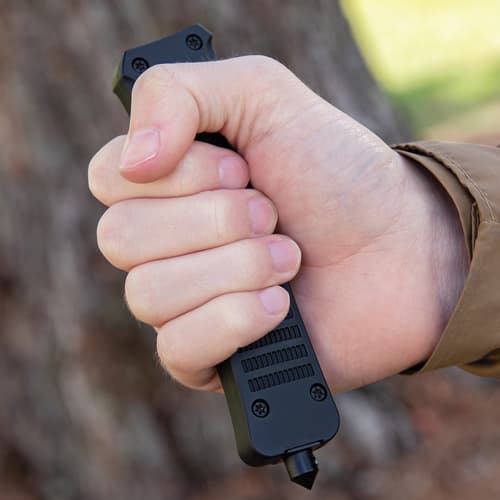
Few things are less ideal than pulling your knife out with wet hands while it’s raining, only to have it slip right out of your palm. That’s why the grip of the handle is so important. Look for something that feels natural in your hand – rubberized or textured handles are an excellent start. You should also consider how the knife fits when it’s tucked into your boot. It’s only going to drive you slowly batty if it digs into your ankle or wobbles around with every step. A slim, ergonomic handle will go a long way in making sure it stays out of the way until you need it.
Tip #4: Mind the Sheath: Your Knife’s Best Friend
A knife is only as good as its sheath. That might sound dramatic, but it’s true! The sheath keeps your blade secure and easily accessible. For a boot knife, you want something with solid retention so the knife doesn’t fall out as you move around. A sheath with a clip or straps that can attach to your boot or ankle gives you some flexibility in how you wear it. You might even consider a sheath that can double up as a belt clip or neck carry for those times you’re not wearing boots. Versatility here is a big win.
Tip #5: Match the Knife to Your Activities
Not every boot knife is made for every outdoor activity. If you’re mostly hiking trails or doing light camp work, then you’ll probably want a lightweight and easy-to-maintain knife that can handle small cutting tasks. On the other hand, if you’re into doing more rugged stuff, like hunting or bushcraft, then durability and edge retention take priority. It’s kind of like choosing shoes. A slick pair in leather is great for a formal event, but not if you’re going to be running or climbing a mountain. The same logic applies to your knife. Match the tool to the task.
At the end of the day, your boot knife should feel like a trustworthy sidekick – always there, always ready. View our entire selection of boot knives here on BudK now by following this link.