How to Throw a Shuriken Like a Ninja
How to Throw a Shuriken Like a Ninja
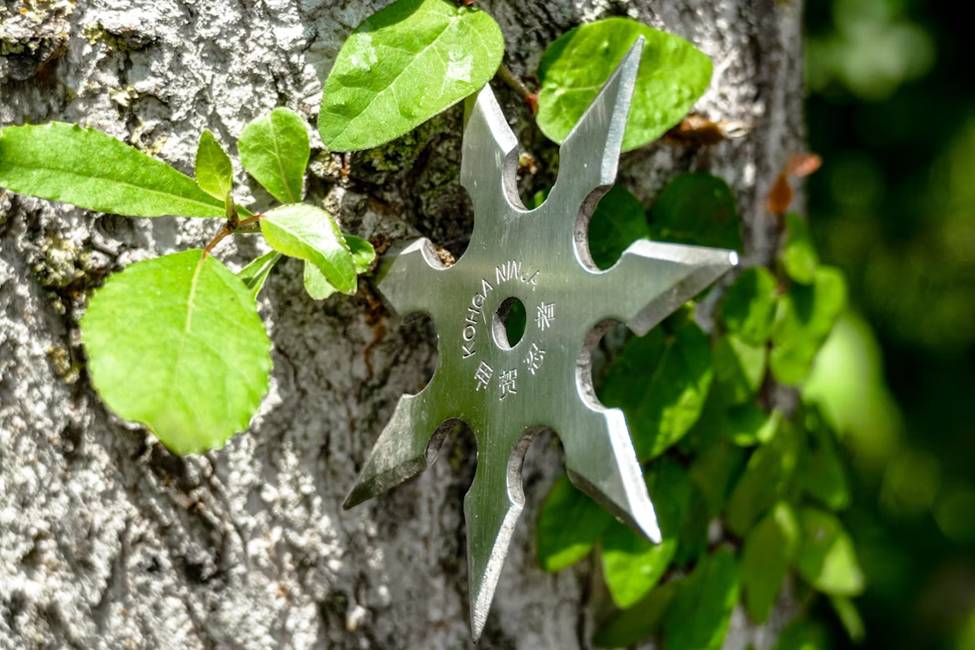
Throwing a shuriken effectively involves far more than just flicking your wrist and hoping it sticks. While the fantasy of a silent ninja hurling steel stars with deadly precision is popular, the reality is that shuriken throwing is a skill built on physics, repetition, and a sharp understanding of what works, and what doesn’t. One of the most debated questions among throwers is whether the number of points matters. The answer? Not as much as you’d think. The number of points on ninja stars affects aesthetics and maybe the odds of a glancing stick, but it’s the weight, aerodynamics, balance, and your throw that matter most.
Weight is King
Weight directly affects how a shuriken flies and sticks. A light shuriken, less than 0.5 ounces per inch, moves fast and is easy to throw at short distances—perfect for quick sessions at two to three meters. However, these lightweights have their downsides. They’re prone to being thrown off course by even a slight breeze and don’t carry much penetration power unless the target is soft, like foam or end grain wood. When you start stretching your distance to four meters or more, light shuriken loses reliability. They don’t travel straight, they often miss the target entirely, and their low mass makes it harder to maintain a consistent line in flight. Medium-weight shuriken, around 0.8 ounces per inch, strike a balance. They travel reliably, aren’t easily diverted by wind, and don’t feel like you’re throwing a paper plate. They offer better control, easier sticking, and a better feel overall. You don’t need brute force to get them to work, and they handle a basic overhand throw with no drama. For beginners or anyone looking to throw consistently, medium weight is often the best choice. Heavy ninja stars, on the other hand, are a different beast. Heavier throws require more force to reach the target and stick properly. While they’re more stable in the air and aren’t easily influenced by environmental factors, their added mass makes them feel slow, almost like they’re lumbering toward the target. This sluggishness can ruin timing and rhythm. They also tend to have deeper bevels, which you might think helps them stick, but in practice often reduces penetration unless the force behind the throw is perfect.
Bevels, Balance, and Build
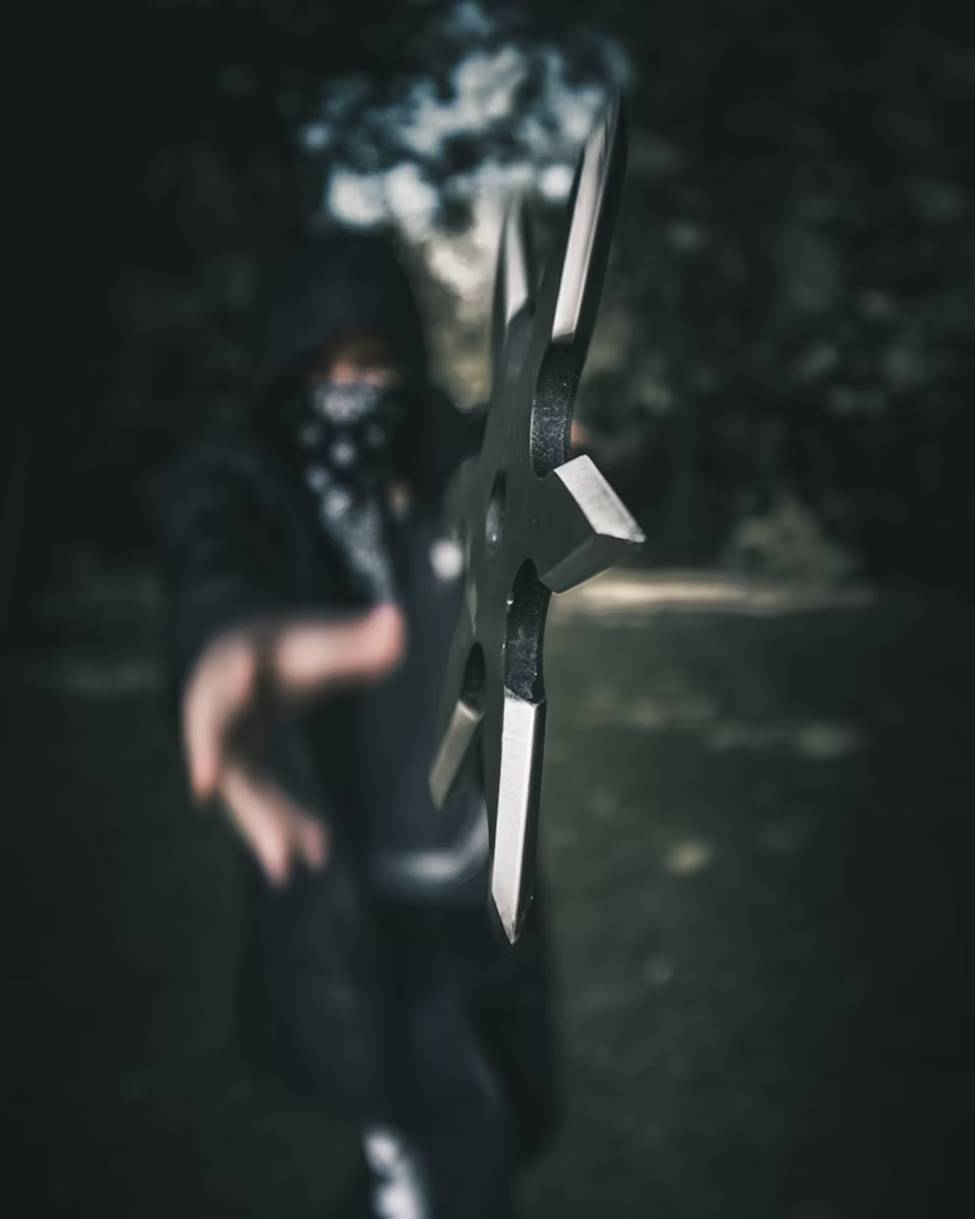
Not all shuriken are created equal, even within the same weight class. The bevel—how angled or tapered the edges are—can significantly change how a shuriken sticks. A deep bevel might feel like it should cut better, but it can work against you. A shuriken doesn't need to be knife-sharp. In fact, pointy tips are better than sharp edges. A good point will pierce and stick even if the throw isn’t perfect. Deep bevels can reduce the surface area that hits first, making them harder to stick unless everything lines up just right. Flat, thin, or lightly beveled shuriken often stick better, especially in foam or wooden targets. These designs don’t fight the target, they slide in clean. This is part of what makes some lighter shuriken surprisingly effective at close range. Balance is also critical. A shuriken with poor balance won’t rotate consistently in the air. You’ll feel it immediately—it’ll wobble, veer, or rotate unpredictably. Throwing becomes guesswork instead of skill.
Distance and Grip
Throwing distance matters more than most people expect. Light shuriken excel at close distances. They fly quickly, and with a bit of wrist flick, you can be quite accurate. But go beyond three meters, and their flaws start showing. They’re harder to control, more vulnerable to wind, and less likely to stick without a perfect throw. Medium-weight ninja stars handle a broader range of distances. You can throw them at three or four meters with confidence. Even at five meters, with proper form, they’ll hold their line and penetrate the target. Heavy shuriken, while stable, requires more effort and starts to wear on your arm with repeated throws. Your grip also affects the throw. A pinch grip, where you hold the shuriken between your thumb and fingers, is the most common and works best with medium and light shuriken. Heavy ones can feel awkward or unbalanced in this grip, leading to erratic throws. You’ll feel the shuriken resisting your release, which often throws off your aim.
Using a Multi-Throw Strategy
If you’re trying to throw more than one shuriken in quick succession, whether for practice or performance, the lighter shuriken dominates. Their smaller bevels allow them to stack nicely, and their weight makes them easier to release one after another. Mediums can work too, but heavy shuriken don’t lend themselves to rapid-fire throws. They slow you down and feel clunky when thrown back-to-back.
Do Points Matter?
To come back to the original question: does the number of points on ninja stars affect how well it throws? Not really. While it might seem like more points mean a better chance of sticking, it’s mostly psychological. What really matters is how well the points are aligned with the center of mass and whether they’re sharp enough to penetrate the target. A poorly designed 8-point shuriken won’t outperform a well-balanced 4-pointer with clean tips.
Get Your Nina Stars and Start Practicing
If you want to throw shuriken effectively, stop focusing on point count and start paying attention to weight, shape, bevel, and your throwing form. At short range, light shuriken are fun and fast. Medium weight offers the best balance and is ideal for most throwers. Heavy ones require power and aren’t for everyone. In the end, effective shuriken throwing is about understanding the physics, picking the right gear for your distance and style, and practicing with intention. Here at BudK, you’ll find ninja stars with different weights, number of points, and designs that will fit your throwing style. You might not be a ninja, but you can find the right shuriken to start practicing your throws to feel like one.