Primitive Camping: The Beginner's Guide to Going Off-Grid
RV hookups and glamping pods have their place — but if you want to experience the wilderness the way it was meant to be experienced, primitive camping is in a league of its own. No bathrooms, no running water, no designated sites. Just you, your gear, and whatever the backcountry throws at you.
Here's everything you need to know before your first off-grid night out.
What Is Primitive Camping?
Primitive camping — also called dispersed camping or wilderness camping — means setting up camp in a natural area away from developed campgrounds. According to Sporting Nomad, most primitive spots sit at least a mile from any road, and you're expected to be fully self-sufficient: source your own water, manage your own waste, and build your campsite from scratch. Think of it as being a modern pioneer.
Don't confuse it with backcountry camping, which refers to designated (if remote) tent sites inside national parks. Primitive camping has fewer rules about exactly where you pitch — but it still has rules, and ignoring them can cost you.
Find Your Spot — and Check the Rules First
Before you pick a map pin and start hiking, do your homework. Many wilderness areas require a permit; others use self-register stations; some are unregulated. When in doubt, call the local ranger station. Cascadia's beginner guide recommends consulting the primitive camping map for your target area and always confirming fire regulations before you light anything.
Once you've cleared the legal hurdles, pick your actual site with these factors in mind:
- Water access. You need it for drinking, cooking, and cleanup — but pitch your tent at least 200 feet from any water source so you don't disrupt wildlife corridors.
- Wind. A light breeze near a lake keeps mosquitoes down. In exposed terrain, tuck behind trees or boulders to block gusts.
- Ground elevation. Avoid low-lying areas near rivers — they collect cold air and moisture and can flood fast.
- Shade. For multi-night trips, morning sun on your tent door is a bonus; harsh afternoon sun is not. Scout accordingly.
Essential Gear Checklist
Primitive camping punishes over-packers and under-packers equally. Everything on this list earns its weight:
- Lightweight tent or bivy sack (rated for the season)
- Sleeping bag + insulated sleeping pad
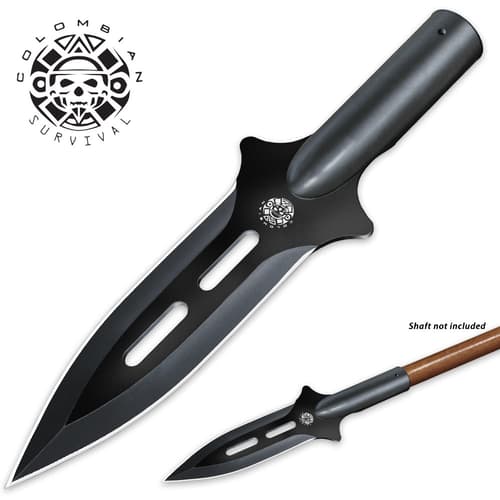
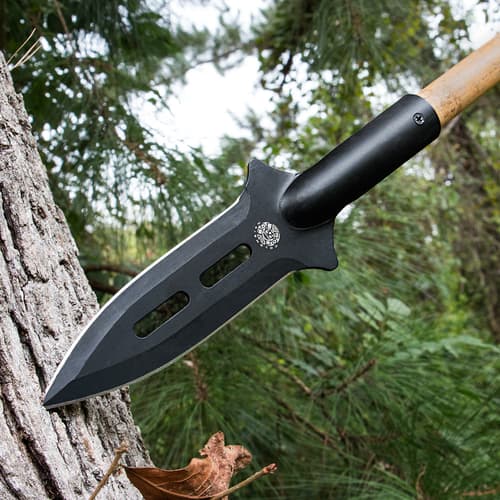
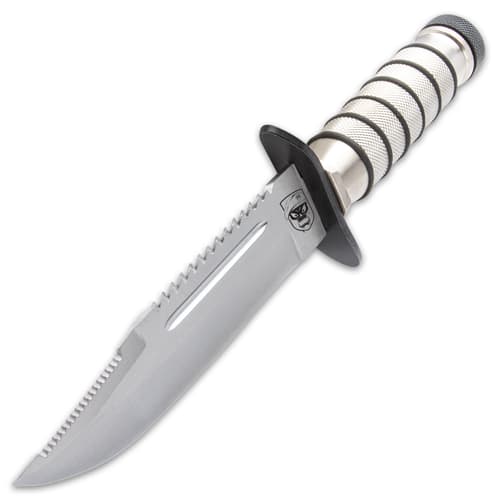
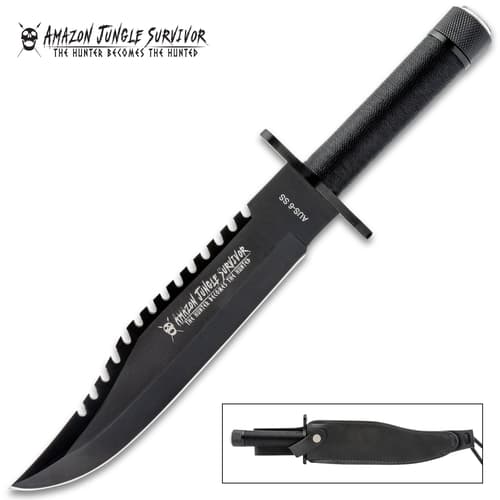
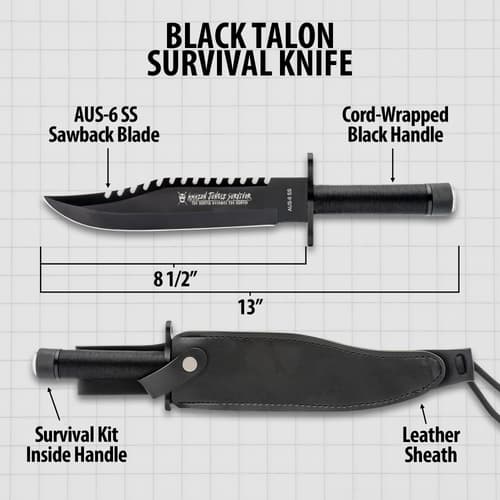
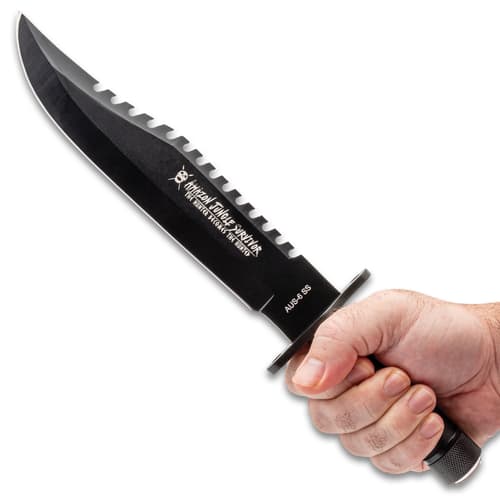
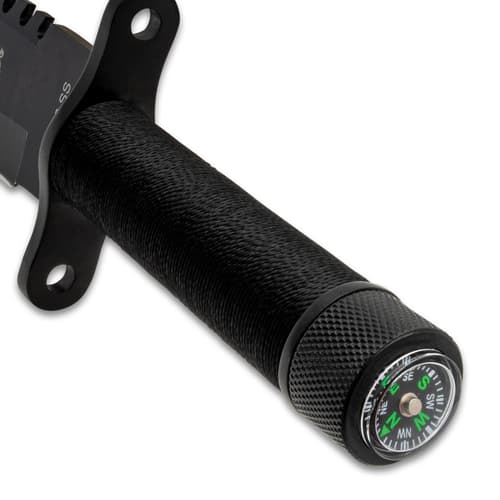
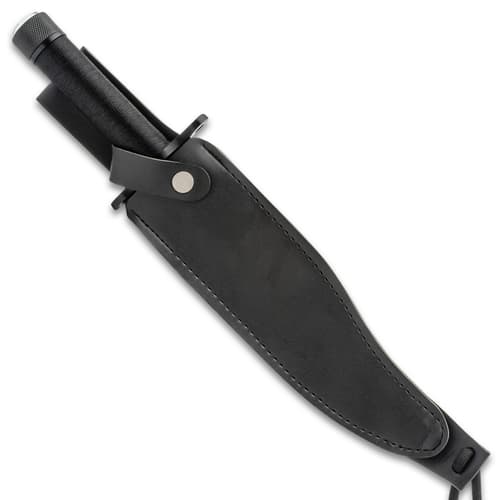
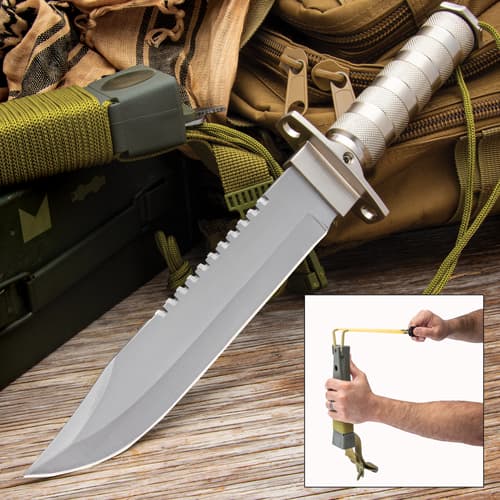
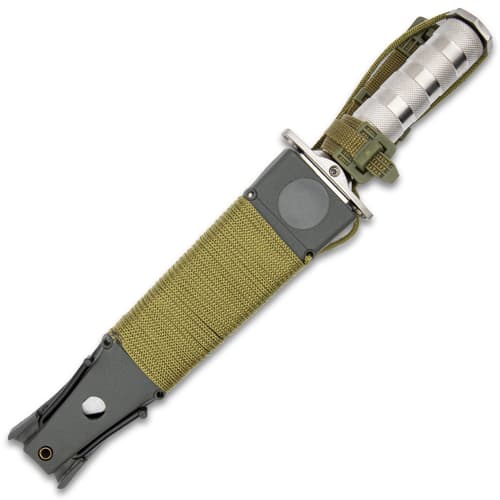
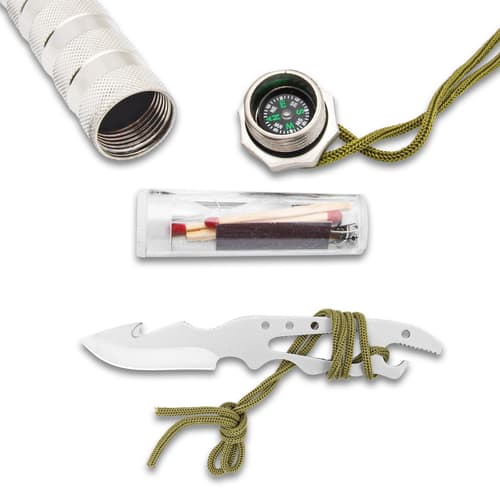
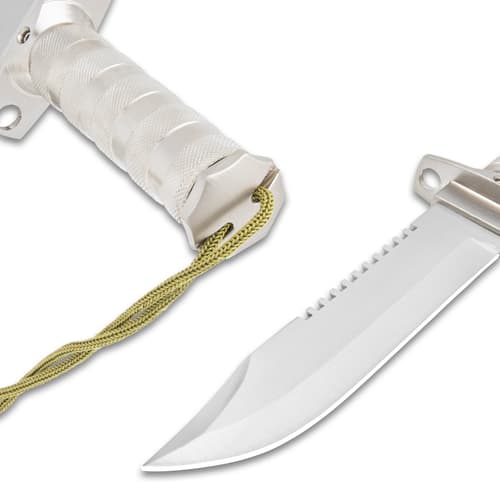
- Fixed-blade survival knife — for food prep, fire-starting, shelter building, and emergency situations
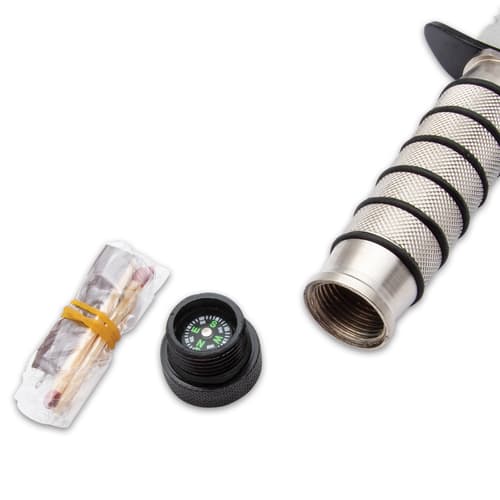
- Fire-starting kit: ferro rod, windproof lighter, waterproof matches
- Water filter or purification tablets (plus a backup method)
- Compact cookware: stove, fuel canister, one pot, utensils
- Bear canister or hang bag for food storage
- Paper map + compass (GPS is great until the battery dies)
- Headlamp with spare batteries
- First aid kit including blister care and any personal meds
- Trowel/folding shovel for cat holes
- Weather-appropriate layers — always pack one extra
A quality fixed-blade knife is arguably the single most versatile item on that list. It processes firewood, handles food prep, and can get you out of a bind. Don't cheap out on it.
Skills You Need Before You Go
Gear is only half the equation. Sporting Nomad highlights these as non-negotiables for primitive campers:
- Fire building. Practice at home first. Know how to use natural tinder — dry grass, bark shavings, dead leaves — and understand when conditions make open fire dangerous or illegal.
- Water purification. Learn at least two methods: mechanical filtration and chemical treatment. Boiling is your failsafe when both options fail.
- Map and compass navigation. GPS is a convenience, not a crutch. A paper topo map doesn't run out of battery at mile 12.
- Wildlife awareness. Know what animals are active in your area, how to store food properly, and how to respond to an encounter.
Leave No Trace — Every Single Time
The beauty of primitive camping is that it stays pristine only when campers keep it that way. Pack out everything you pack in. Use existing fire rings where available, or build fires on mineral soil and scatter the cold ash. Cat holes for waste should be dug 6–8 inches deep, at least 200 feet from water, trails, and campsites. Leave the site looking like no one was ever there.
Primitive camping will test your planning, your patience, and your skills — and reward you with solitude and scenery that crowded campgrounds simply can't deliver. Gear up right, respect the land, and get out there.