The Dagger in History: A Tool and Military Weapon
The Dagger in History: A Tool and Military Weapon
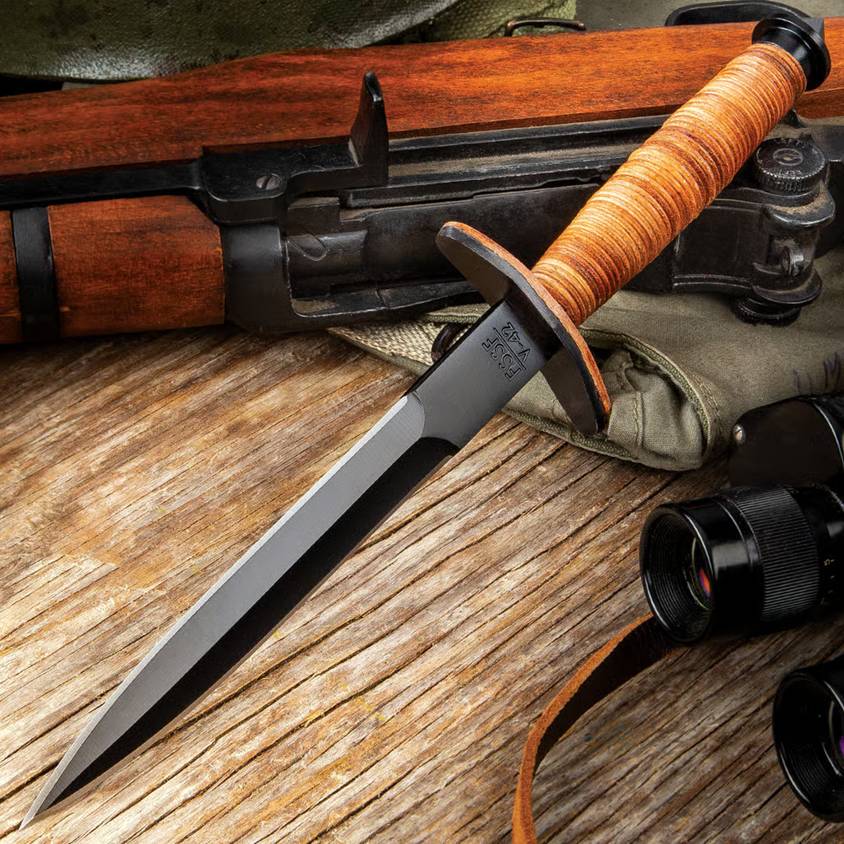
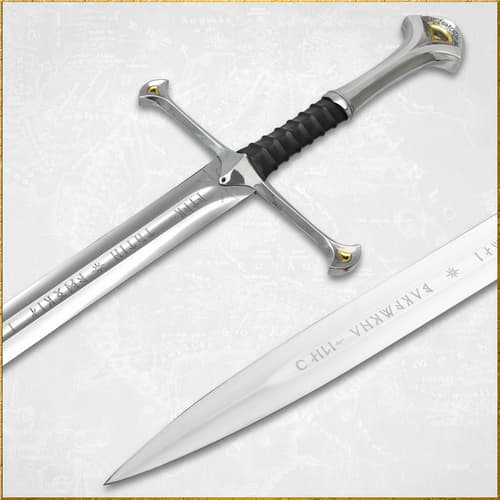
The dagger occupies a unique place in human history. Unlike knives, which were primarily designed for utility, the dagger’s primary role was as a weapon. Double-edged and tapered to a fine point, it was built for combat, defense, and status. From medieval peasants to Renaissance nobles, from knights on the battlefield to civilians on dark city streets, daggers were a constant companion. Their evolution shows not only their military function but also their cultural and social significance.
From Utility Blades to Dedicated Weapons
Knives (single-edged blades), from the beginning of history up to the present, served as everyday tools. A medieval peasant might have carried only one knife, used for everything from preparing food to skinning game and protecting oneself. But daggers emerged as something different: weapons designed for thrusting, parrying, and finishing fights. The distinguishing feature was their double edge and acute point. While a knife could cut, a dagger was optimized for piercing armor gaps or defending against another blade. Knights considered them essential sidearms. Even if their swords weren’t at hand, a dagger ensured they had a lethal weapon within reach. This distinction between tool and weapon defines much of the dagger’s role in history.
The Dagger as a Military Sidearm
In the medieval and Renaissance periods, a dagger was more than an accessory; it was a lifeline. Knights and soldiers carried them alongside swords because they served multiple battlefield purposes. A sword might break, get lost, or become unwieldy in close quarters. The dagger offered a reliable backup for thrusts at close range. Their designs varied across centuries. Smaller, more compact daggers suited soldiers who needed maneuverability in tight spaces, like tunnels or dense fortifications. Larger daggers with stout blades allowed bigger men to strike with greater force. In all cases, they were crafted to be effective for stabbing while still versatile enough to handle secondary tasks like cutting rope or meat.
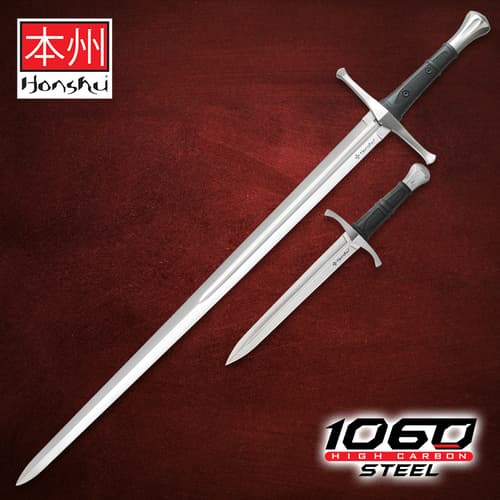
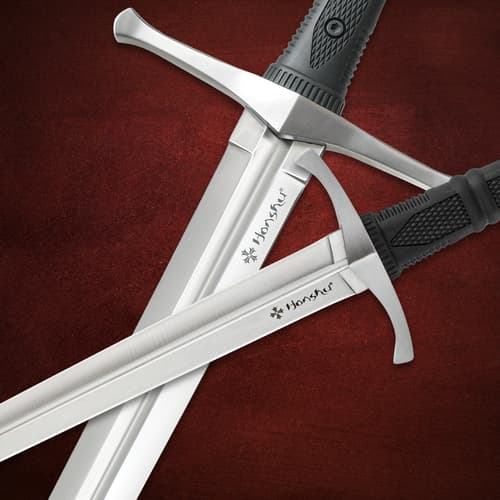
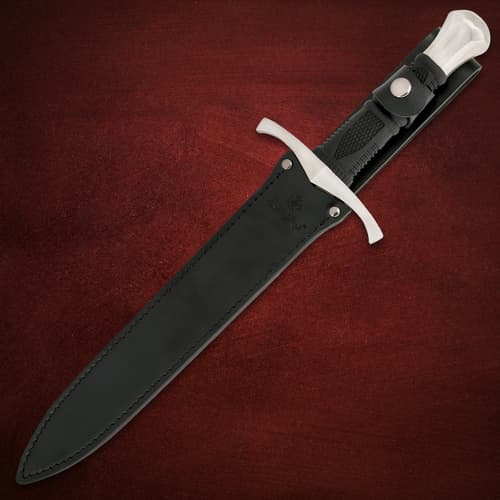
By the 16th and 17th centuries, daggers became specialized. The parrying dagger, for example, was designed to accompany a sword in duels. These had protective features such as long quillons (crossguards) and side rings to shield the hand from strikes. The ring guard wasn’t ornamental; it redirected enemy blades, preventing serious injury. In a time when dueling and street violence were common, these features were practical and lifesaving.
Social and Cultural Roles
Daggers weren’t only weapons of war. They became symbols of status and identity. Nobles often wore finely crafted daggers with ornate hilts, not just for defense but also as fashion statements. In Renaissance Italy, for example, carrying a house dagger was a mark of prestige. The design might differ depending on whether it was meant for combat, display, or daily protection while traveling through dangerous city streets. Even hunting tied into their practical use. Boar hunting, for instance, was dangerous, and hunters often carried large daggers to defend themselves if a wounded animal charged. In such moments, a stout dagger wasn’t just a tool of war but also of survival.
Evolution of Design
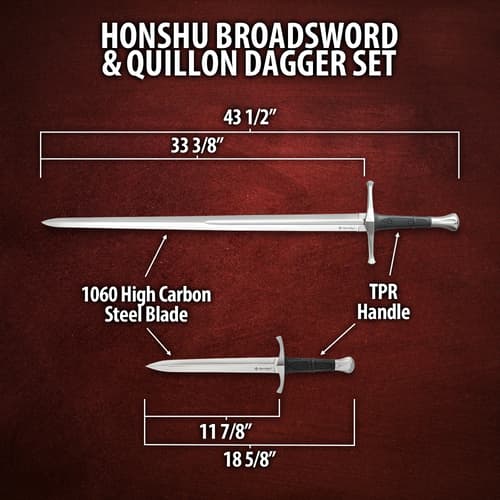
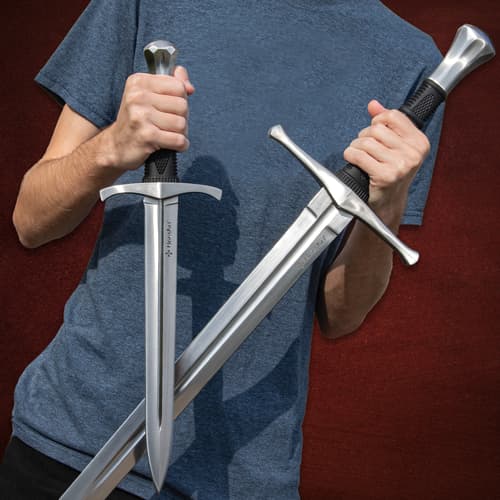
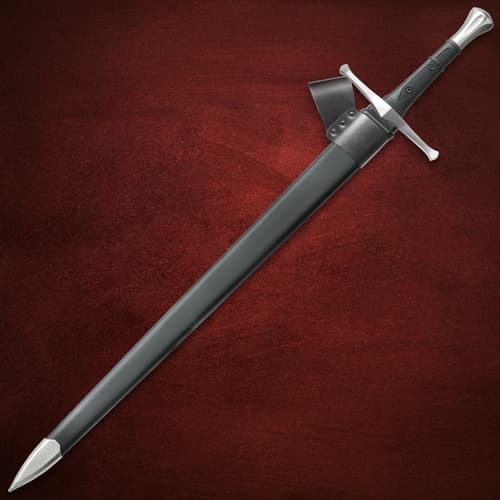
Daggers came in countless shapes and sizes, reflecting different needs and users. A large man in heavy armor might wield a long, hefty dagger, while a smaller soldier in narrow tunnels would prefer a compact version. Despite variations, the consistent traits were a double edge, solid base, and sharp point. As designs progressed, daggers blurred the line with short swords. Once a blade extended beyond 15 to 17 inches, it shifted into the realm of a short sword rather than a dagger. Still, both categories served similar functions: versatile sidearms for close-range encounters. Some of the most advanced designs, such as large parrying daggers, combined protective quillons, wide blades, and reinforced guards. These were strong enough to parry even heavy swords, making them indispensable in duels and battlefield combat.
Historical Importance and Legacy
Daggers reveal much about the societies that used them. They reflect how people adapted to conditions of warfare, social unrest, and survival. In the medieval period, life was harsh, resources were scarce, and weapons doubled as tools. By the Renaissance, the dagger had become both a defensive weapon and a statement of fashion and status. Their legacy continues in museums and historical reenactments. Daggers serve as tangible links to the past, teaching us how people lived, fought, and defended themselves. They are reminders of a time when personal defense was a daily necessity and weapons reflected not only practical needs but also cultural values.
Get Special Daggers and Knives Here at BudK
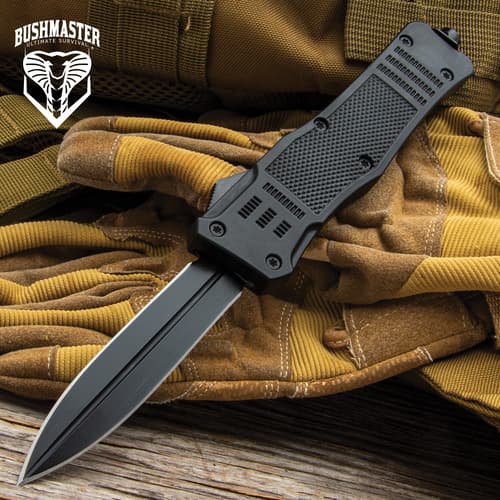
The dagger’s significance lies in its dual role. It was a weapon designed first and foremost for stabbing and defense, but it also adapted to serve as a tool, a hunting aid, and a social symbol. Unlike the utilitarian knife, the dagger was inseparable from the identity of knights, nobles, and commoners who needed protection in an unpredictable world. We offer a variety of special daggers and knives, designed for utility and tactical needs. We have daggers designed to captivate and perform, and all of them speak of tradition, strength, and style.