The Difference Between an Auto, an Assisted Opening Knife, and a Conventional Pocket Knife
The Difference Between an Auto, an Assisted Opening Knife, and a Conventional Pocket Knife
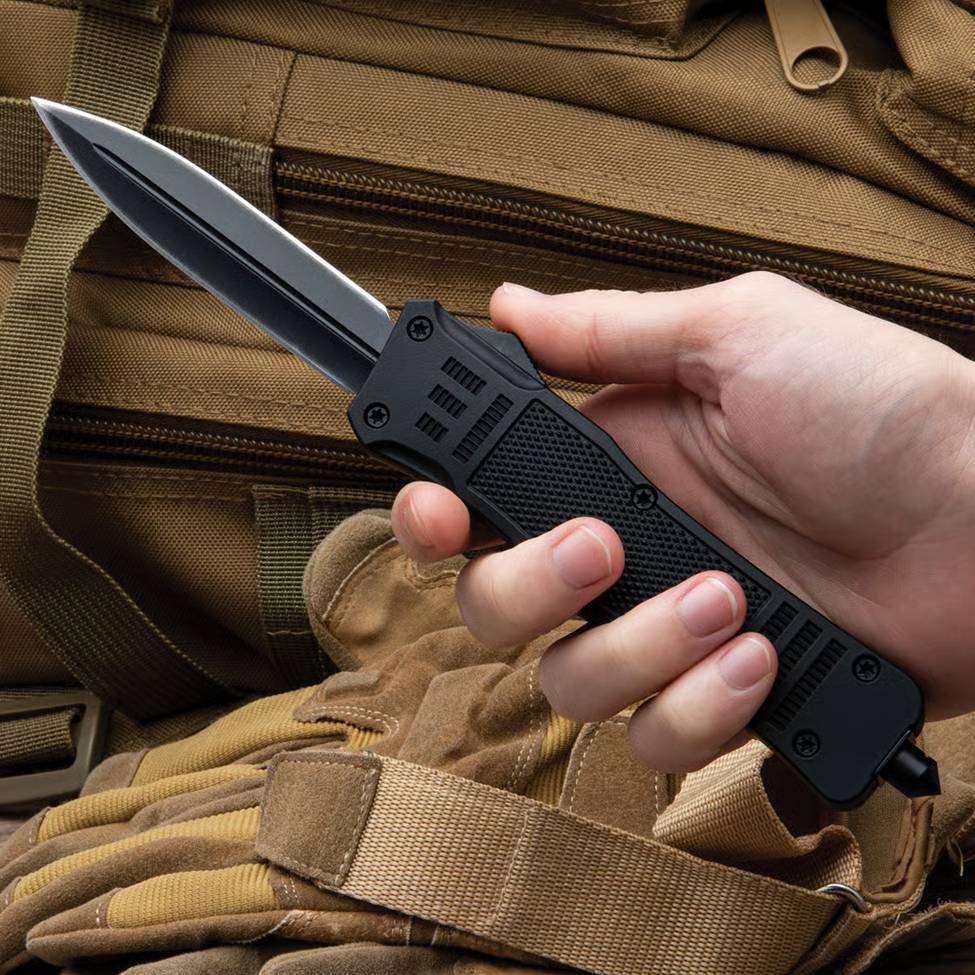
There are many different types of folding pocket knives out there, and some of them have special opening mechanisms that make it easier to deploy the knife. They are all different, but the terminology can sometimes get confusing, especially if you are not very familiar with knife mechanics. Here are the three most (general) types of folding knives, the operation of which will be described here.
What Is an Auto, AKA Automatic Knife?
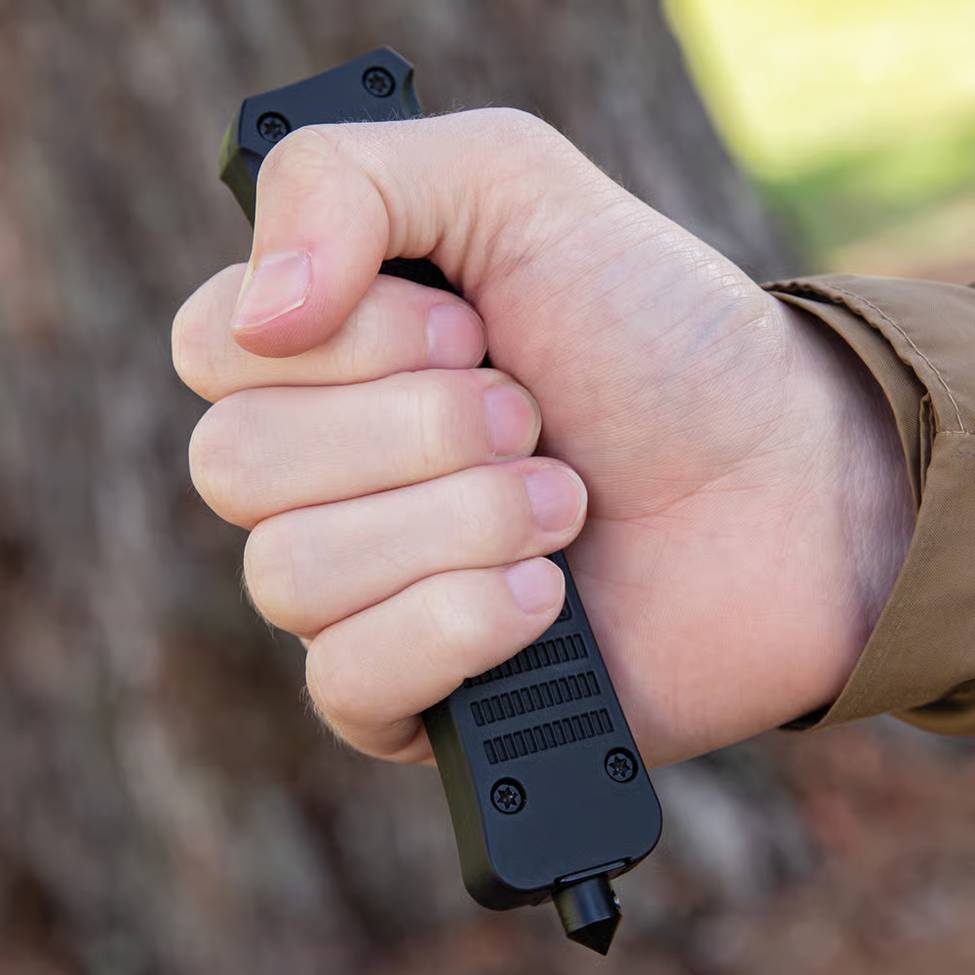
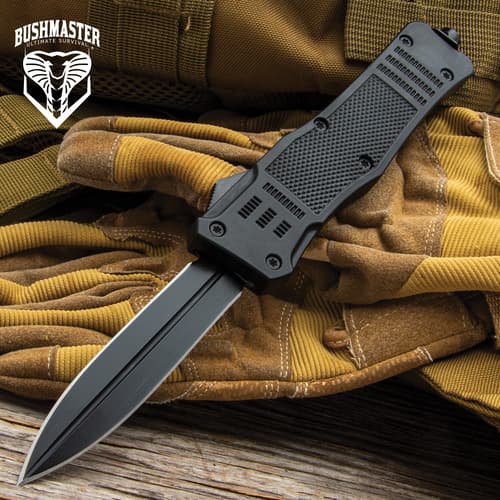
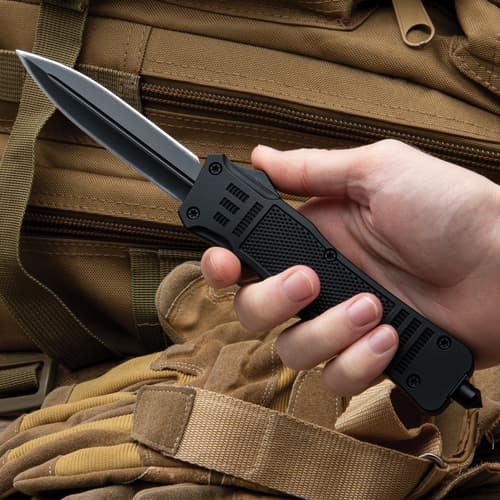
Automatic knives, also known as autos, are knives that can be deployed with one hand, either by the push of a button or a lever, or by engaging some other simple mechanism. To deploy an automatic knife (such as a push button automatic knife), all you need to do is engage the button or mechanism that opens it; you do not need to open the knife part of the way. The internal spring system will do that for you once you release the stop that keeps the knife closed. Many automatic knives do not just open with the push of a button, but can be retracted via the same mechanism. This makes it easier not just to open them, but to close them with one hand, as needed.
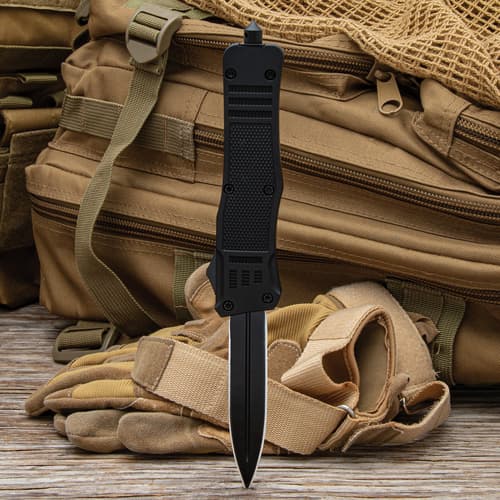
As a result, automatic knives are the easiest and fastest to deploy, and so are intended to be deployed with one hand. They are relatively simple to operate, but that being the case, the inner mechanisms that operate them are more complex. They are also harder to take apart for cleaning, and if not properly maintained, the mechanism that opens them can lose its functionality or fail entirely. Moreover, there are some that call automatic knives switchblades, but since that term is nonspecific (despite its popularity) a more accurate description is automatic knife, or auto. It is also important to note that an automatic knife can either be an OTF, or out the front, or an OTS, or out the side, model. It is the mechanism that opens the knife, and not the manner in which the blade exits the handle, that qualifies it. Also, there are some jurisdictions in which automatic knives may not be possessed. This introduces some legal complications that don’t necessarily apply to other types of knives. Automatic knives are, by and large, much more heavily regulated than other types of knives.
What Is an Assisted Opening Knife?
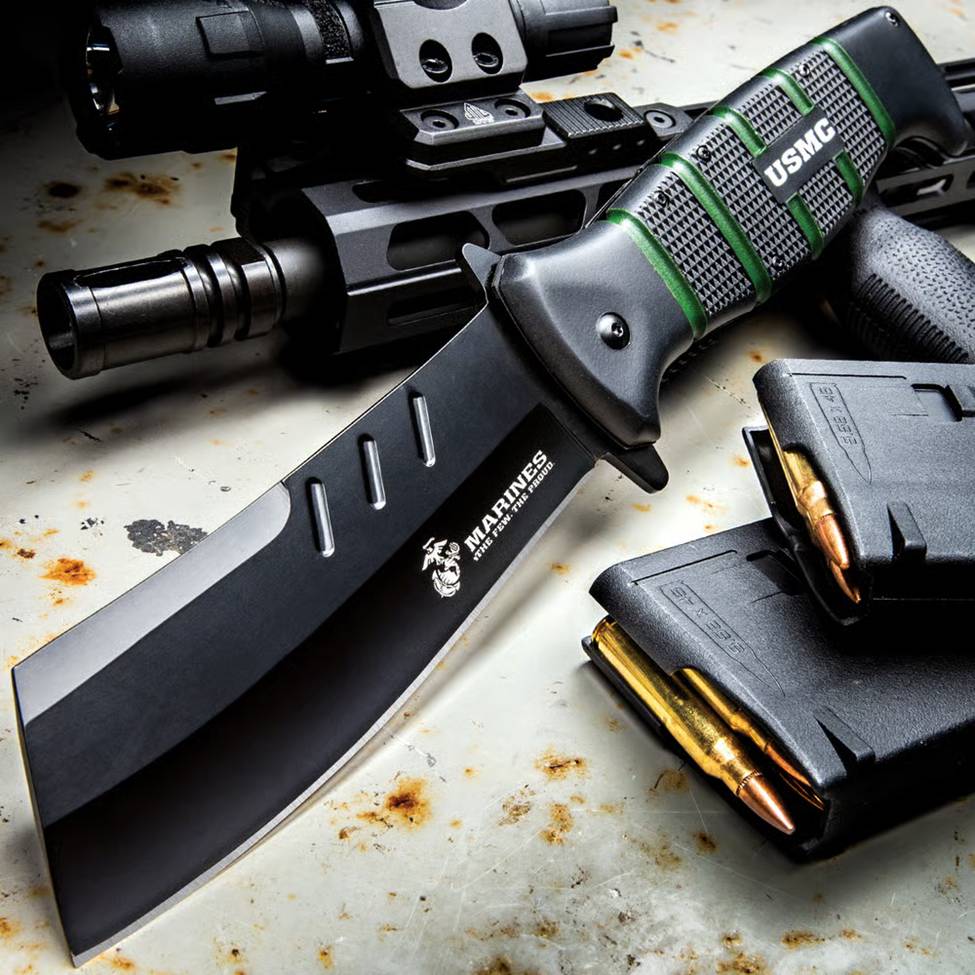
In addition to automatic knives, we also have assisted opening knives, which are easy to confuse for autos, especially if you aren’t familiar with the difference. Whereas an automatic knife will fully deploy and lock the blade with the push of a button, an assisted opening knife requires a little more impetus from the user. Either the user must partially open the blade with a thumb stud or a flipper mechanism, or else must use their wrist to assist with the action of opening. Only after the blade has opened a certain portion of the way will the internal spring complete deployment - hence the term, “assisted” opening knife. The user has to open the blade partly, but the knife helps after that.
Though they take a little more skill to use than automatic knives and are in some cases a touch slower, assisted opening knives can still typically be opened with one hand. With that said, one big difference between an auto and an assisted opening knife is that most assisted openers cannot be easily closed with one hand. In some instances, they can only be closed with two hands. Like automatic knives, the internal spring mechanism of an assisted opening knife is more complex than simple folding pocket knives, which also complicates disassembly and cleaning. While assisted opening knives are less heavily regulated than automatic knives, there may still be some jurisdictions that restrict their possession, so double check before carrying.
What About “Regular” Folding Pocket Knives?
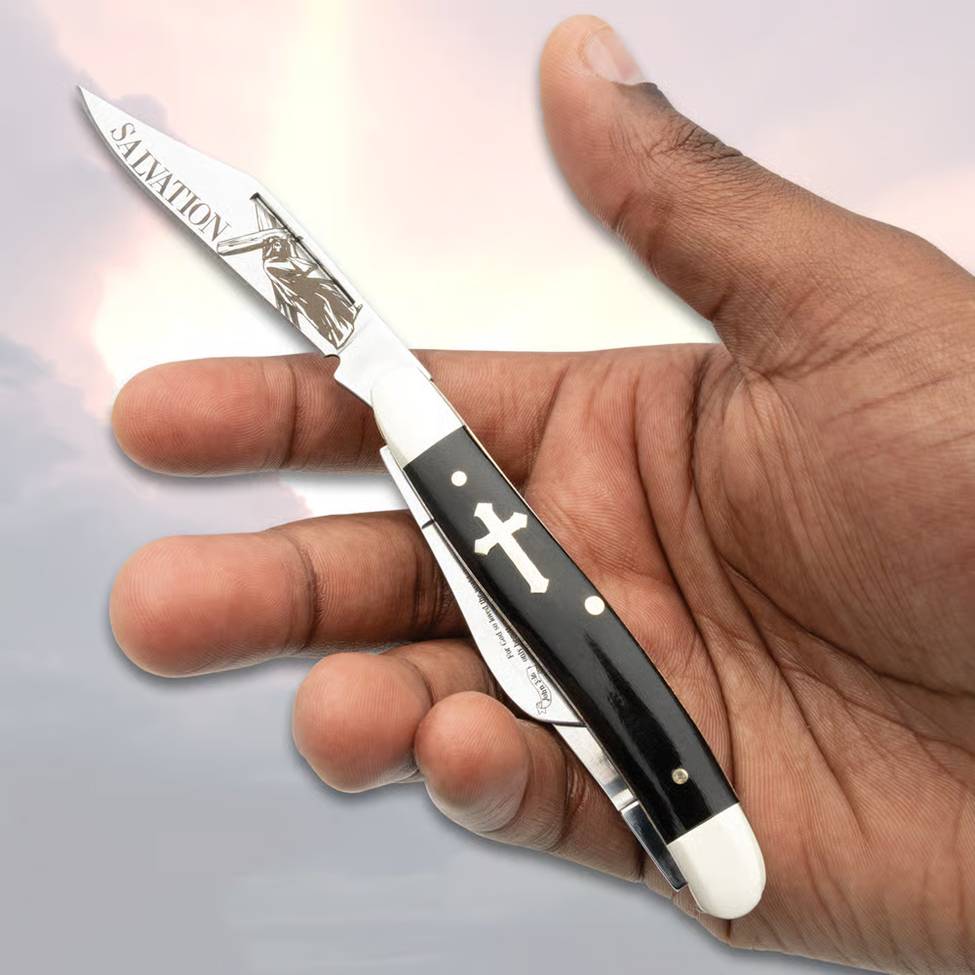
Then there are “regular” pocket knives, which are folding knives (which may or may not lock) and which also may or may not have features that are designed to make it easier to open them. Many traditional pocket knives, such as trapper and stockman knives, feature nail nicks for opening the blade. Though these knives may have locks, they cannot be opened with one hand. Most modern pocket knives, however (which do have locking mechanisms) are made with features that are designed to facilitate deployment.
Many are made with flipper tabs, thumb studs, or thumb holes, all of which make it possible, with a little practice, to deploy the knife with one hand. In some cases you may be able to close the knife with one hand, too. In fact, in the hands of a skilled user, it is possible to open a folding knife with a flipper tab or thumb studs as quickly as, if not more quickly than, an assisted opening knife. This remains true even though standard pocket knives do not have assisted opening springs. Another advantage is the simplicity. The internal assisted opening spring is just one more part that can fail, and classic and traditional pocket knives lack these.
In the Market for a New Knife?
Whether you’re a collector or you carry daily, or you’re here for a “regular” folder, a pocket knife in a traditional pattern, or are looking for an auto or an assisted opening knife, we have plenty of all of them. Take a closer look through our collection and let us know if you’re looking for anything specific. We’ll help you find it.