The Rambo Knife: Hollywood Icon or Must-Have Survival Gear?
The Rambo Knife: Hollywood Icon or Must-Have Survival Gear?
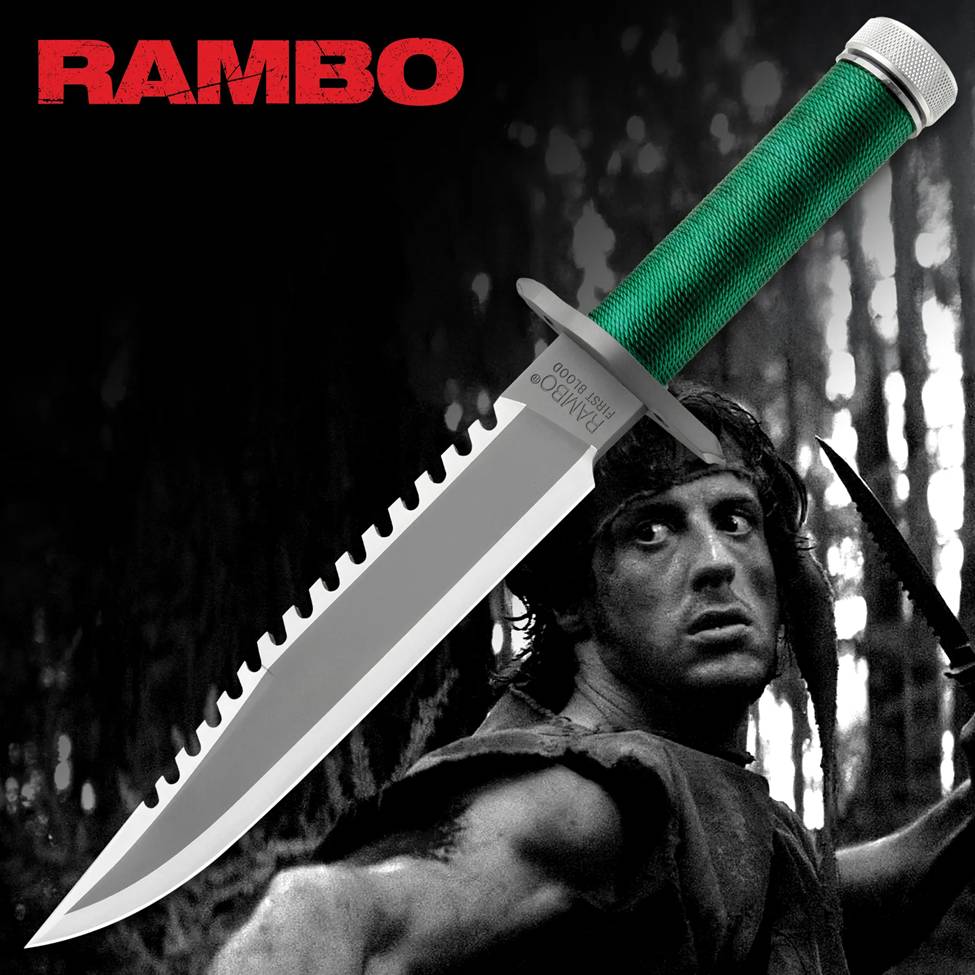
If you love survival camping, you know you need more than wilderness skills to survive the outdoors. But would a Rambo knife be a blessing or a bane? The term “Rambo knife” refers less to a single, traditional knife pattern and more to a cultural idea shaped by movies, marketing, and debate. It emerged from the popular imagination in the early 1980s, when the Rambo films introduced audiences to a large, aggressive-looking survival knife carried by Sylvester Stallone’s character. That knife became iconic almost overnight. It symbolized toughness, self-reliance, and wilderness survival, but it also sparked decades of argument about whether it was a serious tool or a flashy Hollywood prop.
An Exaggerated Survival Knife
Historically, the Rambo knife traces its roots to military and survival knives developed during the mid-20th century. Long before Hollywood adopted the look, soldiers and outdoorsmen were already using large fixed-blade knives for utility tasks such as chopping, shelter building, and general field work. The movie knife borrowed from those traditions but exaggerated them for visual impact. Its size, aggressive blade shape, and dramatic presentation were designed to read clearly on screen, even at a distance. In that sense, the Rambo knife was always meant to be seen as much as used.
Unique Feature
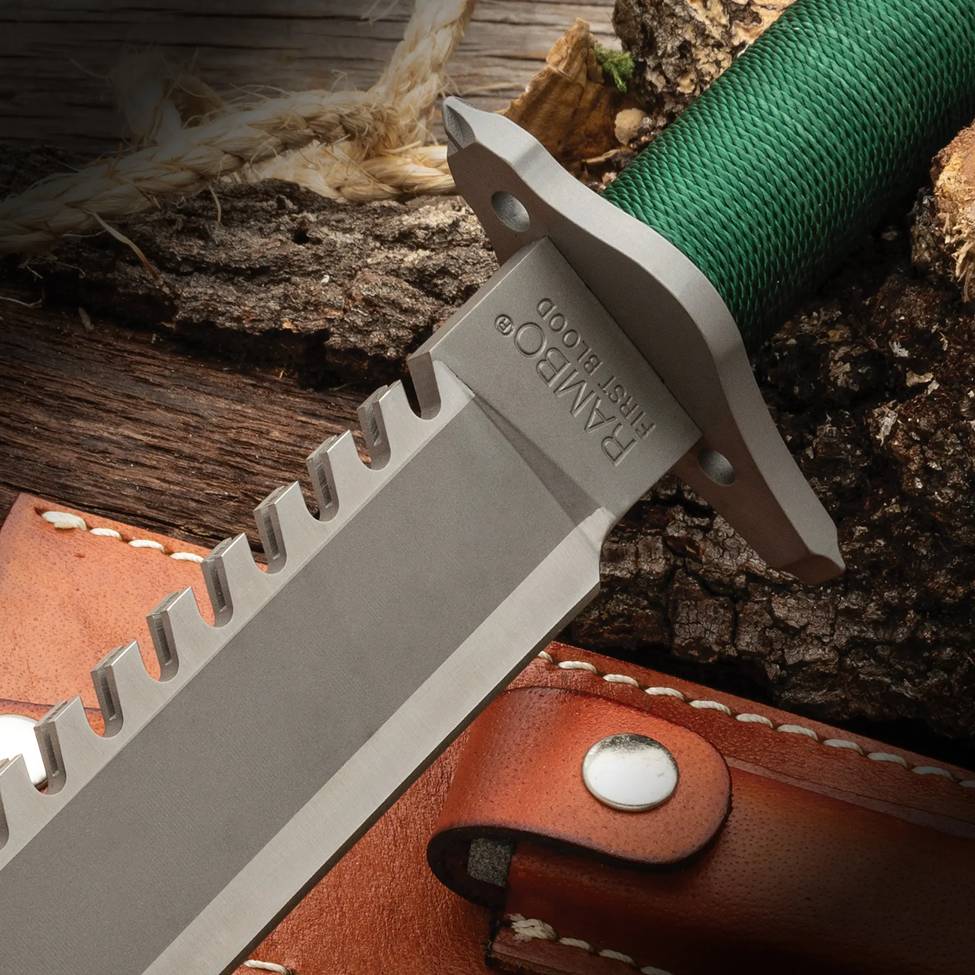
One of the most distinctive features associated with the Rambo knife is the hollow handle containing a survival kit. This design choice became central to both its fame and its criticism. On film, the idea of storing fishing gear, matches, needles, and other small tools inside the handle reinforced the image of a lone survivor prepared for anything. In practice, however, hollow handles introduced structural weaknesses. Removing material from the handle often meant sacrificing strength at a critical point where blade and grip meet. Knife makers and serious outdoors users have long debated whether the novelty outweighed the compromise. The original movie knives were produced in limited runs and tied closely to licensing and collectibles. They were often made with cost considerations in mind, balancing appearance with durability. Some used softer stainless steels that resisted corrosion but struggled to hold an edge. Factory sharpening was inconsistent, and many examples required significant work before they performed well in real tasks. This gap between appearance and performance fueled skepticism. Critics argued that the knife’s reputation was built on cinema, not function.
An Effective Survival Knife
Despite this, the Rambo knife was never entirely useless. When tested beyond light tasks, many examples proved tougher than expected. They could split wood, scrape sparks, and handle basic camp chores, though often awkwardly. The blade geometry tended to favor chopping and batoning rather than fine carving, which limited precision but allowed brute-force work. This reinforced the idea that the knife was not refined, but also not fragile. Its flaws were real, but so was its resilience. Later knife designers began to adapt the Rambo concept into more practical forms. Later versions reduced blade length, improved steel quality, and altered grinds to make the knife more versatile. Some manufacturers abandoned hollow handles entirely, replacing them with solid tang construction while retaining the general silhouette. Others kept storage features but reinforced the handle to reduce flex and looseness. These changes reflected lessons learned from years of criticism and field testing.
Hollywood Icon And Survival Tool In One
The debate over the Rambo knife’s design often centers on priorities. Purists argue that a survival knife should excel at fundamental tasks: cutting efficiently, holding an edge, and surviving abuse. From that perspective, early movie-inspired designs fell short. Supporters counter that survival is about adaptability, and having multiple tools integrated into one object has value. The truth lies somewhere in between. A knife cannot replace skill or judgment, but thoughtful design can support both. As the Rambo franchise expanded, so did the knives associated with it. Different films featured variations in size, blade shape, and added features. Some versions grew enormous, emphasizing intimidation and spectacle. Others pulled back toward more realistic proportions. This evolution mirrors the broader shift in how survival knives are viewed. Modern users tend to favor balance and reliability over extreme aesthetics, even when nostalgia remains strong.
Its Popularity Remains High
Today, the Rambo knife occupies a strange middle ground. It is part collector’s item, part cultural artifact, and part functional tool. Serious outdoor and survival camping enthusiasts rarely choose a classic hollow-handle version as their primary knife, but many film fans prefer the design that matches film details. But what is clear is that the knife has helped popularize interest in survival gear. It inspired people to think about preparedness, which has made it a must-have for those who love survival camping and other outdoor activities. In that sense, its influence extends beyond steel and handle design.
Get Your Rambo Knife at BudK
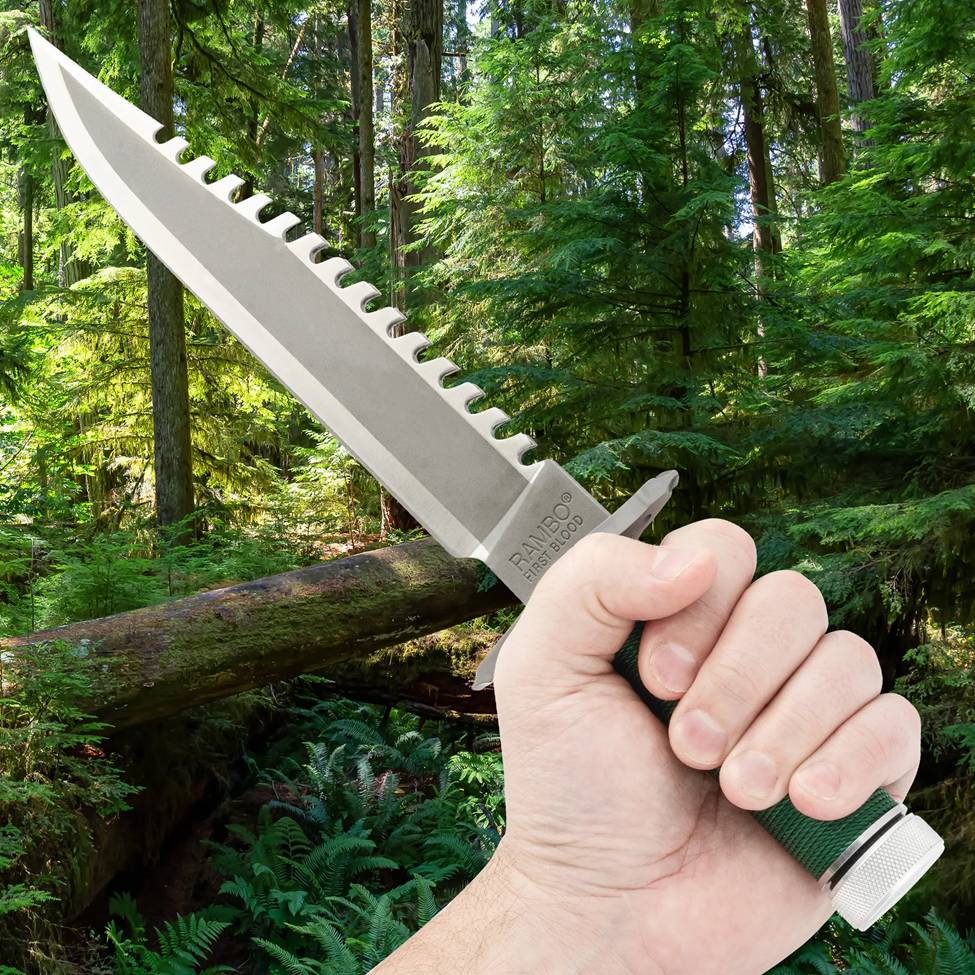
Modern interpretations have shown that the core idea can be redeemed. Upgrading the materials and focusing on realistic use cases, suppliers and manufacturers have transformed the Rambo-style knife into something genuinely useful. These newer versions no longer rely solely on movie mystique. They stand on their own as capable tools that happen to carry a famous look. And BudK recognizes that. We have versions of the Rambo Knife that are detailed film replicas, and knives that have been inspired by the film prop but which are actually functional as a reliable tool. So no matter which you prefer, the Rambo knife is now a functional must-have survival tool. And while it will always be tied to Hollywood, its evolution shows that even the most exaggerated designs can grow into something functional in the real world.