Pocket Knives: 9 Features to Assess Before Buying
Pocket Knives: 9 Features to Assess Before Buying
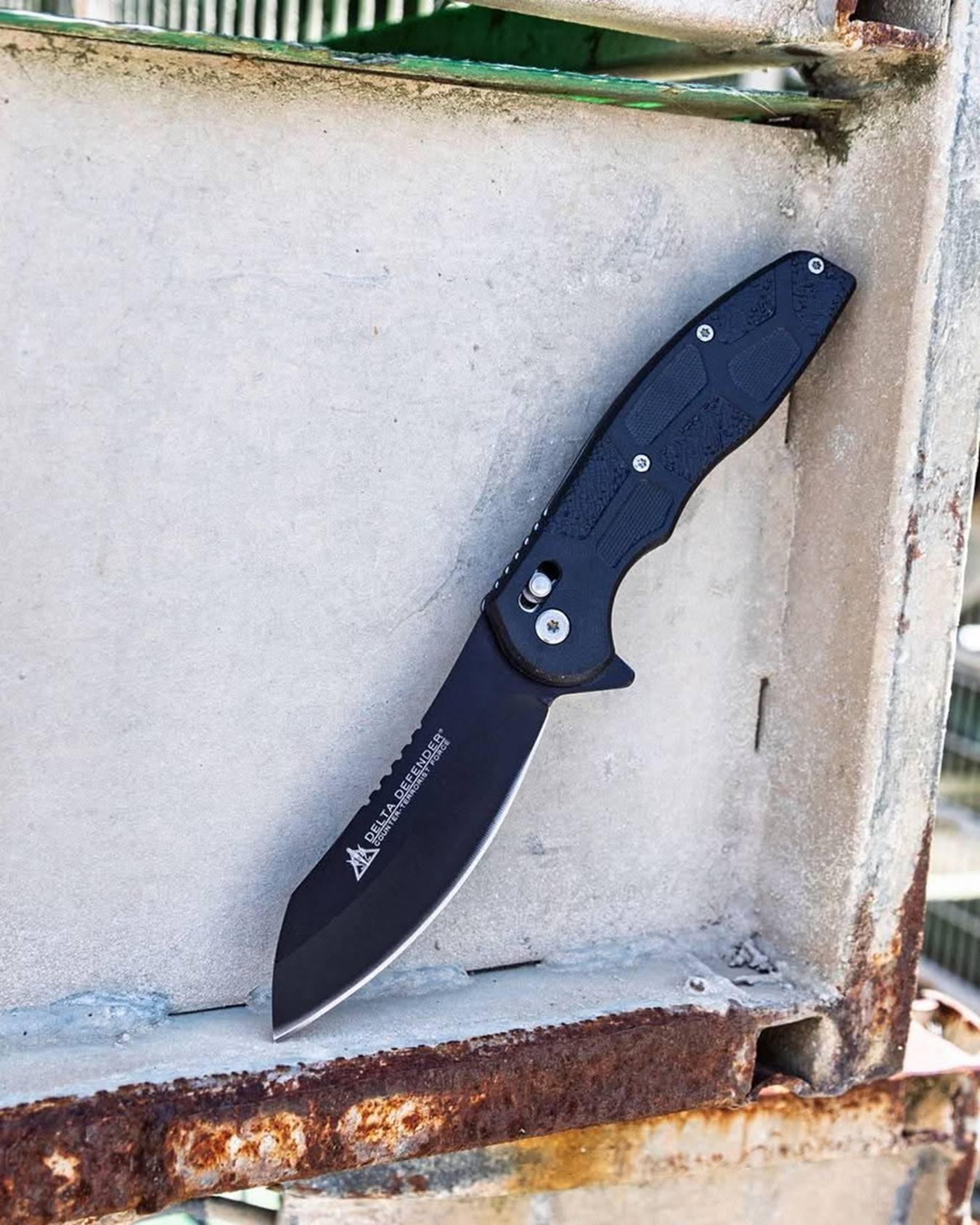
Modern pocket knives are amazingly diverse, and come in a wide variety of sizes and weights, blade profiles, and so much more. So how can you determine what pocket knife is best for you when realistically you can only carry and use one at a time, despite the fact that two is one and one is none? Well, here are 9 things for you to consider before you buy.
Size and Weight
Consider first what you will be using the knife for primarily, and what’s a reasonable size and weight. Many pocket knives have blades between roughly 2 and 3 inches, but there are knives that are much larger and smaller. Most pocket knives also weigh only a few ounces, but the weight will also impact how easily you can carry the knife as well as what else you can add to your loadout.
Blade Steel
Blade steel will indicate how useful the knife will be for a given task. The three attributes pocket knives steels are chiefly graded on are
- Corrosion resistance: The more chromium or nickel a steel has, the better it will be able to tolerate corrosive influences. Some alloys also have trace amounts of niobium or nitrogen to boost corrosion resistance as well. Steels that are not stainless will need to be more meticulously cared for.
- Wear-resistance (hardness): Carbon and carbide-forming elements are mostly responsible here, like vanadium. The harder a steel is, the longer the edge will last, but the harder it will be to sharpen them and in general the more brittle the steel will be.
- Toughness: Strong, dense elements like vanadium, molybdenum, and tungsten make a steel very tough and unlikely to snap, shatter or deform under pressure
Blade Profile
Blade profile is also a very important item to consider in a pocket knife because it will determine what the knife will be used for. Some popular profiles are:
- Drop point
- Straight back
- Clip point
- Needle point
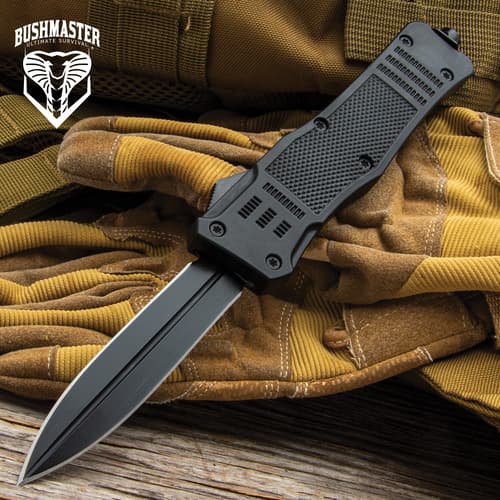
- Spear point
- Tanto point
- Reverse tanto point
- Sheepsfoot
- Wharncliffe
- Skinner
- Trailing point
- Harpoon point
- Straight back
- Hawkbill (AKA talon or karambit)
- Chisel point
In general, swept blades are better for making arcing, sweeping cuts, the stouter the tip is, the less likely it is to break, and the finer the point is, the better the blade will be at piercing or puncturing tasks.
Number of Blades
Most modern pocket knives come with only one blade, but some traditional pocket knives come with 2, 3, 4 or even more blades, often clip points, pen blades and spey blades
Scale Material
While natural materials like bone, horn, antler, mother-of-pearl, wood and leather are pretty, they are much harder to care for than modern synthetic knife scale materials, like carbon fiber, G10, Micarta, phenolic, and metal alloy scales.
Lock Type
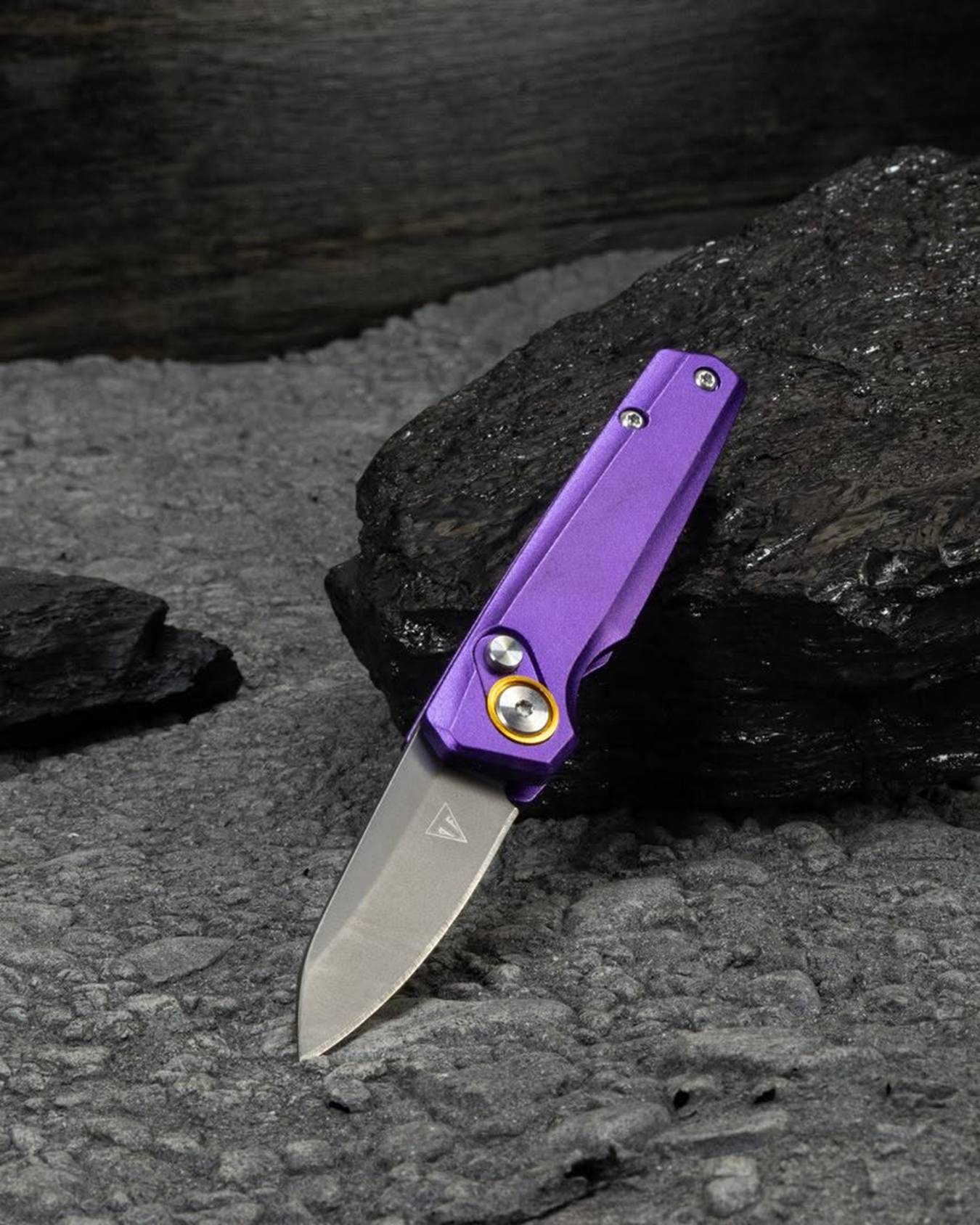
The lock type is also a primary driver of both value and performance in pocket knives. Some common lock types are
- Liner locks (affordable and very common)
- Frame locks (slightly stronger than liner locks)
- Lock backs
- Collar locks (common only on Opinel knives)
- Bar locks (really strong and very safe)
- Button locks (fidget friendly, fairly strong, and easy to operate)
There are also slipjoint knives, which do not have a lock but which only use a spring to keep the blade open and closed under tension.
Deployment Method
How you open the knife will also impact the utility of the knife. Older pocket knives have nail nicks, which require two hands, but modern pocket knives generally sport other more useful deployment features. Many pocket knives have thumb studs, which enable easy deployment with one hand. Others have thumb holes, which are ambidextrous. Some also have flipper tabs which are also generally ambidextrous.
Carry Possibilities
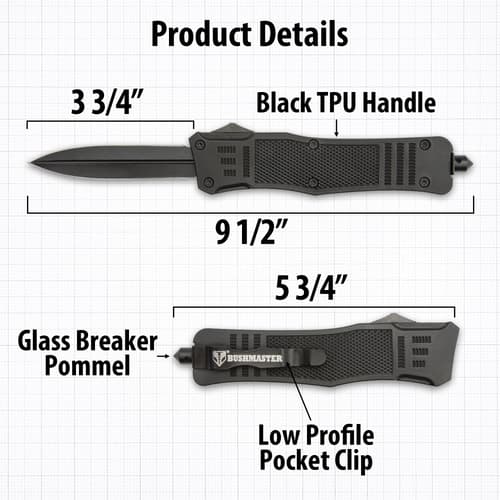
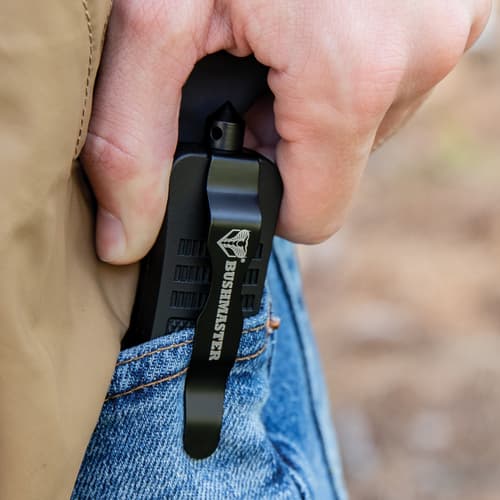
Many pocket knives are intended to be carried free in a pocket, but others have pocket clips that enable the knife to be carried on the edge of a pocket, pack, or on a MOLLE slot. Many also have pocket clips that are reversible and enable carry on both sides of the knife, either tip up or tip down.
Other Features
Some other features you will want to look at in pocket knives are, or questions you will want to ask are:
- Does the pocket knife have a lanyard hole?
- Are there any secondary lock features?
- Can the scales easily be upgraded?
- Are the knife’s features friendly to both left and right-handed users?
These are just a few of the features you should be assessing before you buy a pocket knife but they should help ensure you are pleased with the purchase nonetheless.
Shop Pocket Knives Here
In the market for new pocket knives for your collection? Take a closer look at our catalog here and if you have any questions, feel free to get in touch with us and we will be more than happy to help you find a model or pattern that works for you.