14 Crossbow Maintenance Tips for Smooth Shooting and Long Life
14 Crossbow Maintenance Tips for Smooth Shooting and Long Life
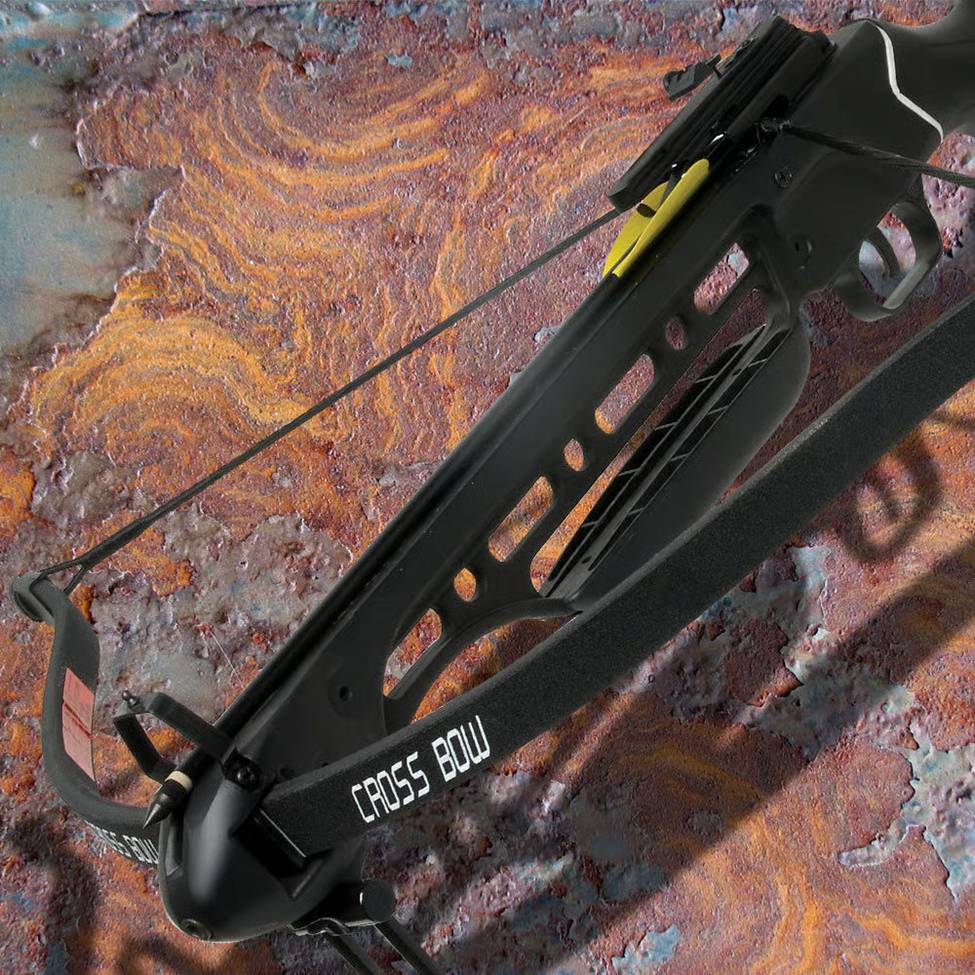
Whether you’ve been a seasoned crossbow hunter for a decade or you just bought your very first one, here are 14 maintenance tips that will keep your crossbow in better shape, improve safety, and increase its service life.
Wax the String
Your crossbow’s string (and, if it is a compound model, the cables) is the most disposable, replaceable piece of the whole machine. Over time it will break down, fray, and need to be replaced. But there’s no reason we should speed that process up. The best way to prevent this is to use string wax to keep the string and cables protected against premature wear.
Lube the Rail
Contact with the rail will also wear out your string and slow down your bow’s FPS rating. There are special rail lubes you can buy which you can (and should) apply to the rail before shooting. Doing so will protect the string, ensure a higher FPS rating, and can even make the bow quieter.
Keep Your Fingers BELOW the Rail
Always, always keep your fingers below the rail while shooting. The string of a crossbow stores enough energy to do serious, deadly damage to a finger or hand if it comes in contact with it.
Don’t Store (or Transport It) Cocked
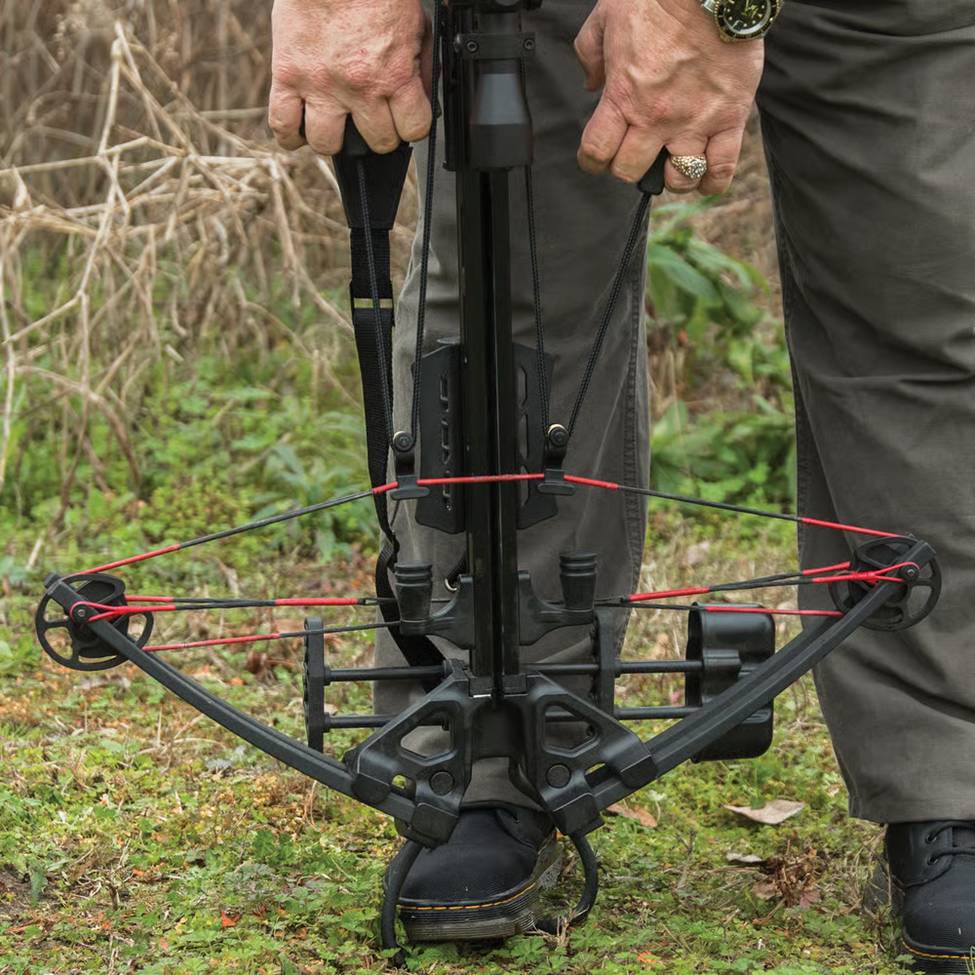
Storing or transporting your crossbow cocked will put pressure on the limbs and string that doesn’t need to be there, and can hasten the deterioration of both. Also, some jurisdictions have laws against transporting cocked crossbows, whether or not a bolt is loaded on the rail. Be safe and just store and transport the thing uncocked.
NEVER Dry Fire It
We’re not getting into the weeds here. This is all you need to know. If you ever dry fire your crossbow for any reason you will destroy it. Never dry fire it. Also, be aware that not all bows have anti-dry fire mechanisms. Stay away from the trigger until a bolt is loaded on the rail, nocked against the string, and you are ready to shoot.
Be Aware of Minimum Bolt Weight Requirements
Some crossbows are so powerful that shooting bolts under a certain weight can simulate dry fire conditions. Therefore, it is imperative that you ensure that the bolts you shoot are heavy enough to be appropriate for the bow.
Periodically Oil Moving Parts
If you have a simple recurve, you should periodically remove, clean and oil the trigger mechanism. If it is a compound model, this part should be oiled, along with the cams on the limbs, at their joints. Keeping moving parts oiled will result in a smoother, quieter shooting bow, and the parts will last longer.
Inspect Before Shooting
Before you go to the range of venture to your treestand, inspect your crossbow for signs of wear, particularly the cable or strings. If they are discolored or show signs of fraying or wear, consider replacing them before shooting. A little wear is normal, but you should not shoot a bow with a compromised string or cables.
Tighten All Fasteners Before Shooting
Similarly, you should inspect all fasteners or other hardware before shooting and make sure they are properly tightened. Consider also bringing a hex wrench or a bow tool to the range so that you can immediately tighten any fasteners that start to work loose while shooting. If you hear a rattle while shooting, that’s a big sign that something is loose and needs to be tightened.
Invest in a Good Crossbow Case
Soft-sided crossbow cases are better than nothing, but it’s probably worth your while to get a hard-sided case. A hard-sided case will better protect the crossbow from damage while you are transporting it or have it in storage, when the string, cables, cams or limb tips and other components will be most vulnerable.
Store Wisely
On the note of storage, don’t keep your crossbow anywhere you wouldn’t keep a gun. That means don’t store it in the garage, don’t store it in the shed, and don’t expose it to extremes or temperature, or humidity, either. Somewhere inside that’s climate controlled is best. Also, it’s best to keep it covered, or in its case to better protect it.
Inspect Your Bolts Before Shooting
Before shooting your bolts, you can rotate or spin them to check for straightness. This is particularly important with aluminum bolts that can bend after repeated stresses, or after contact with a hard backstop. Bolts that are not perfectly straight will appear to wobble as you spin them and should be discarded. Once a bolt has bent it is no longer safe to shoot, and even if it were, it would not be accurate.
Test Your Bolts
If you shoot carbon bolts (and who doesn’t) you should also always inspect them every time before you shoot. There are two good ways to do this. One is to flex them slightly. Doing so should expose any cracks. If you notice this in any bolts discard them immediately. The other is to run a gloved hand up and down the shaft; any errant carbon fibers will catch on the glove and identify themselves. Any bolts that exhibit this should be discarded too.
Decock Wisely
There is one and only one safe way to decock a crossbow, and that is to discharge an appropriate bolt into an appropriate backstop. There are decocking bolts you can buy but these are not entirely necessary. All you need is a regular bolt that is appropriate for your crossbow, but tipped with a field point instead of a broadhead. Shoot this into a safe backstop, and you’ll be safely decocked.
Your New Crossbow Is Here
In the market for a new crossbow? We carry affordable and effective recurve models in addition to compound crossbows that deliver higher FPS ratings, as well as pistol crossbows. Shop our collection of recurve, compound and pistol crossbows to find something new for your collection. Many of them are great choices not just for target shooting but also for hunting.